"Osttirol isn't for everyone. And that's a good thing."

Less bulk, more character

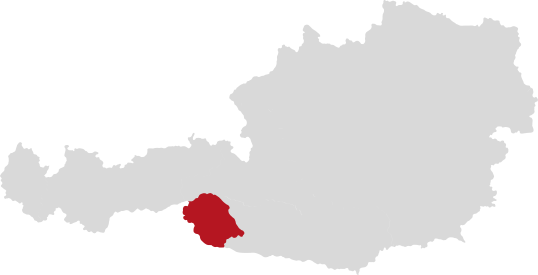
A destination that doesn't try to please everyone? At first glance, that doesn't sound much like tourism marketing. For Osttirol, however, it's part of a philosophy: this Austrian vacation region doesn't focus on offering as much of everything as possible, but rather on what defines its character.


The Alps have always been considered a place of longing. At the same time, they face the challenge of maintaining their appeal without losing their unique character. More demand, more infrastructure, more promotion: What may initially sound like success in tourism can, in the long run, change exactly what people were originally looking for. Osttirol therefore takes a different approach. “Our goal isn’t to make tourism in Osttirol as big as possible. We want our homeland to retain its character. And that’s exactly why we sometimes have to consciously set limits,” says Franz Theurl, chairman of the Osttirol Tourism Board (TVB Osttirol). This also applies to nature: natural open spaces, vast expanses, and unspoiled landscapes are not untapped potential—they are precisely what draws guests to Osttirol.
The mountain is always in charge

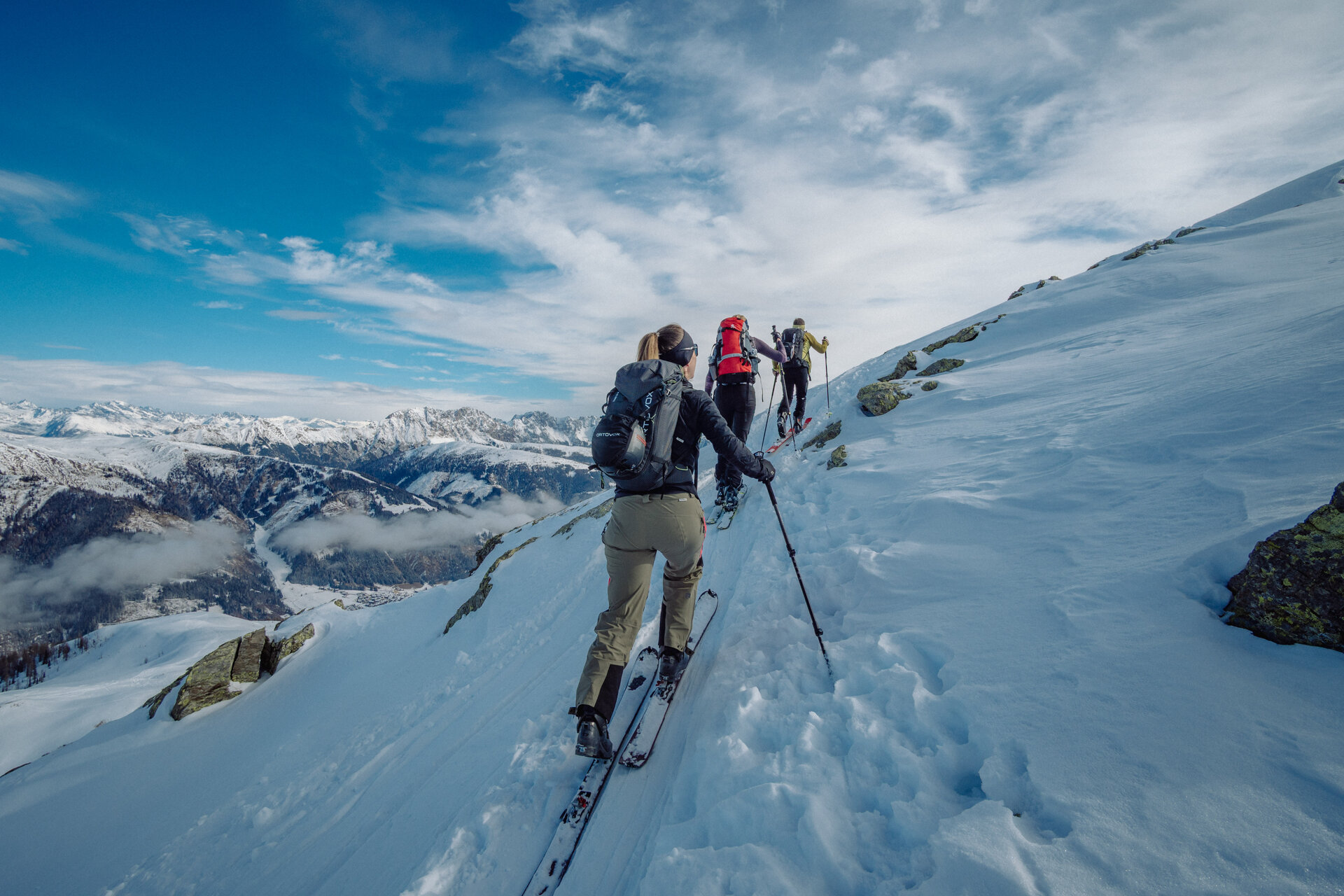
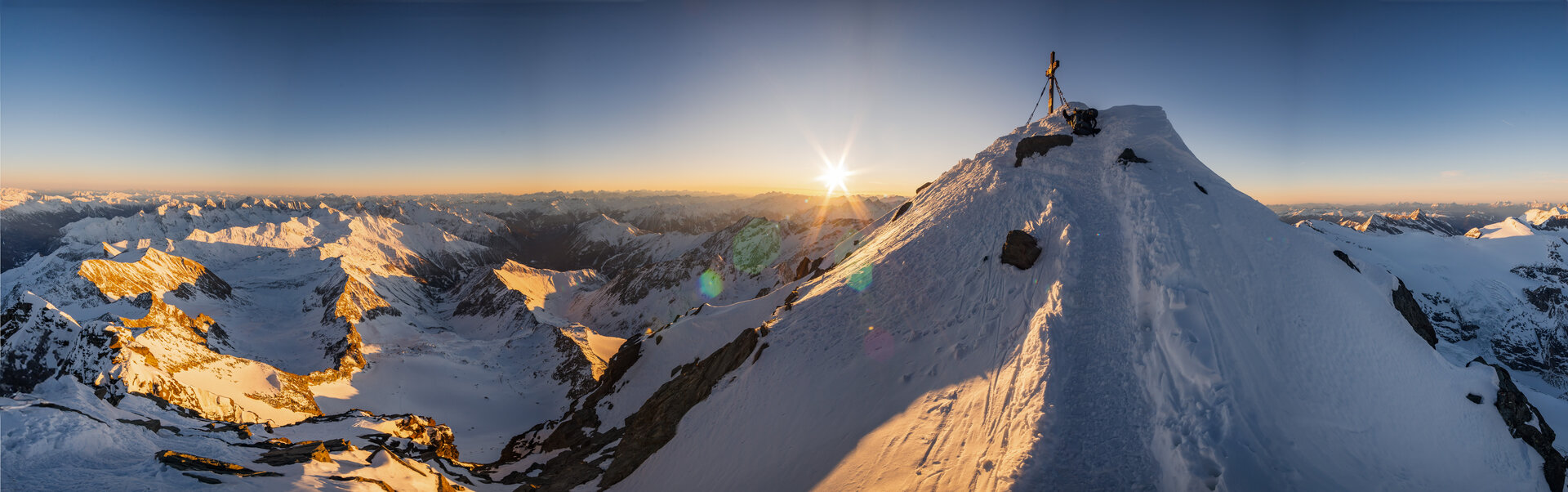
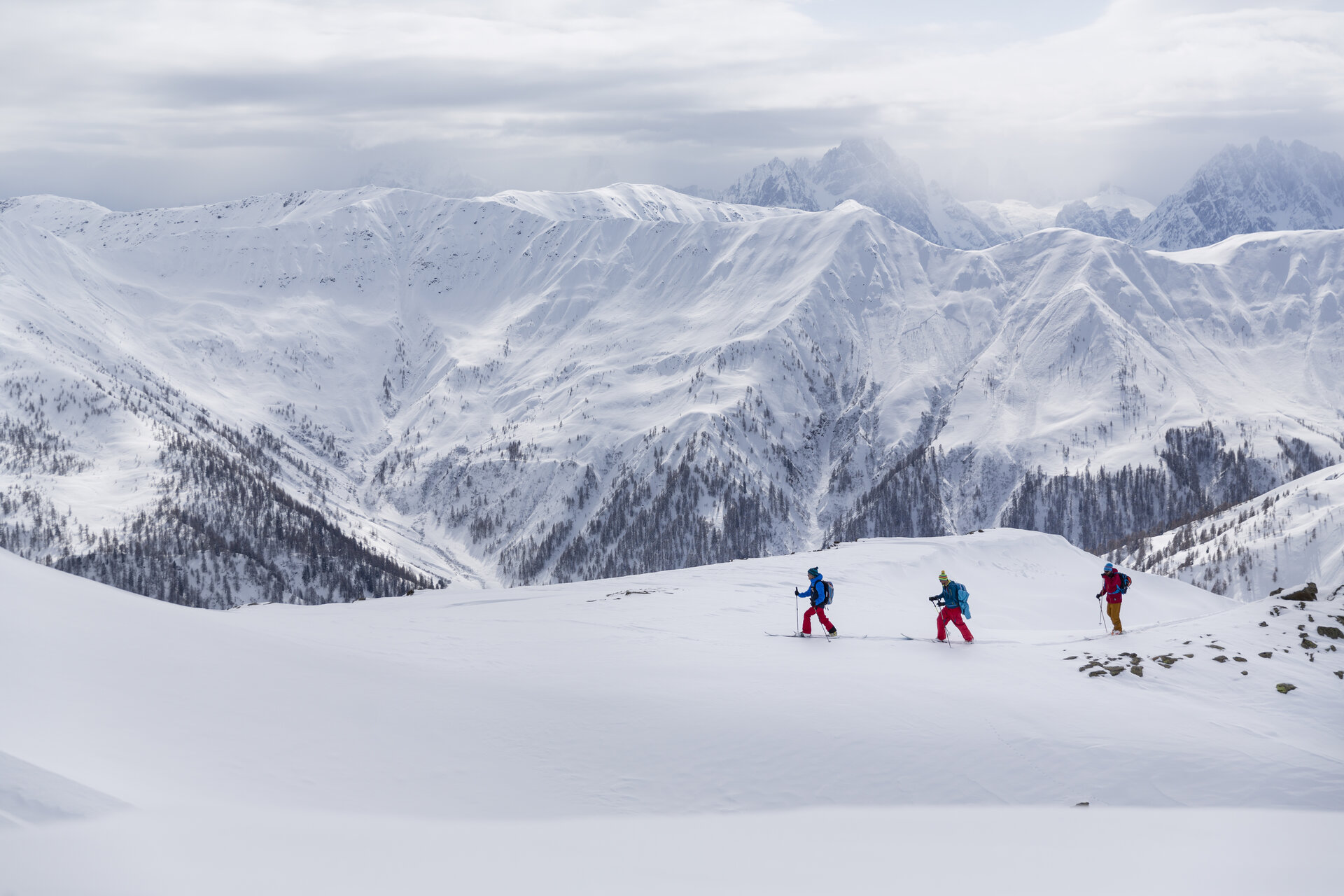
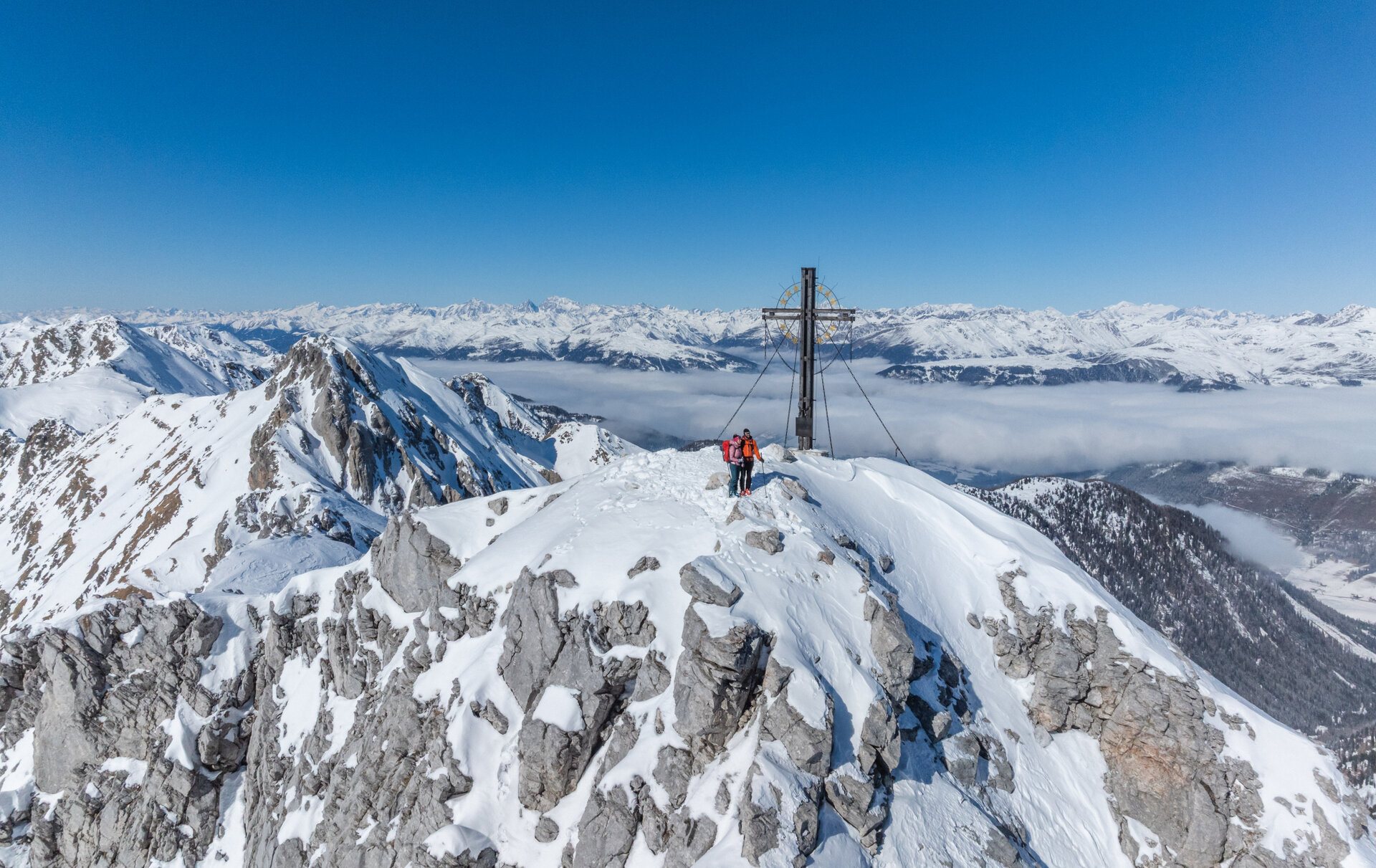
266 three-thousand-meter peaks define the region between the Großglockner, the Hohe Tauern, the Lienzer Dolomiten, and the Hochpustertal. In winter, this means snow-covered valleys, high-alpine mountains, and conditions that can’t be predicted. Especially during the cold season, there are days that unfold slowly and differently than expected: While hiking through the wintry landscape, where all you can hear is the crunch of your own footsteps, the wind in the trees, and the occasional call of a bird, the scene just a few meters higher up can look completely different: Weather, snow, and temperatures set limits, and sometimes the mountain decides when it’s time to turn back.

All the things you can do without

Today, freedom can be something very simple: having space. Space to follow your own path, for an unplanned afternoon, for a thought that isn’t immediately interrupted by the next notification. It’s not about cramming as much as possible into a day of vacation, but about being able to decide for yourself what to make of it. Osttirol is committed to a form of tourism development that builds on existing structures: small, established communities, unique offerings, and locally owned accommodations—rather than a large-scale commercialization of the landscape. The Defereggental Valley, for example, is one of the least populated areas in the Austrian Alps. Kartitsch in the Tiroler Gailtal Valley, as the state’s first certified winter hiking village, also relies on infrastructure that is in harmony with nature. The trails are maintained and made accessible without turning the surroundings into an amusement park.

It's not all about the guests

In Osttirol, family-run businesses, farms, small guesthouses, and independently operated lodgings define the landscape. Visitors there encounter people who don’t just work in tourism but are themselves part of the landscape: farmers who tend to their animals in the morning, hosts who personally welcome their guests, and mountain hut owners who know when it’s better to postpone a hike until the next day. Anyone who comes to Osttirol immerses themselves in a region that functions just fine even when there are no vacationers around. That’s because tourism is part of life in Osttirol—but it certainly doesn’t dictate what that life should look like.

Newsletter

Subscribe to our newsletter and receive the best tips every month for current offers, mountain tours, events and much more.