Ski Touring Policy: Striking the Right Balance

For Harmony Between People and Nature

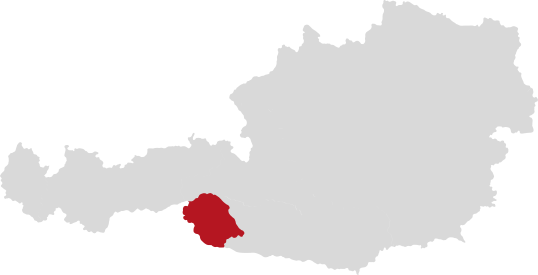
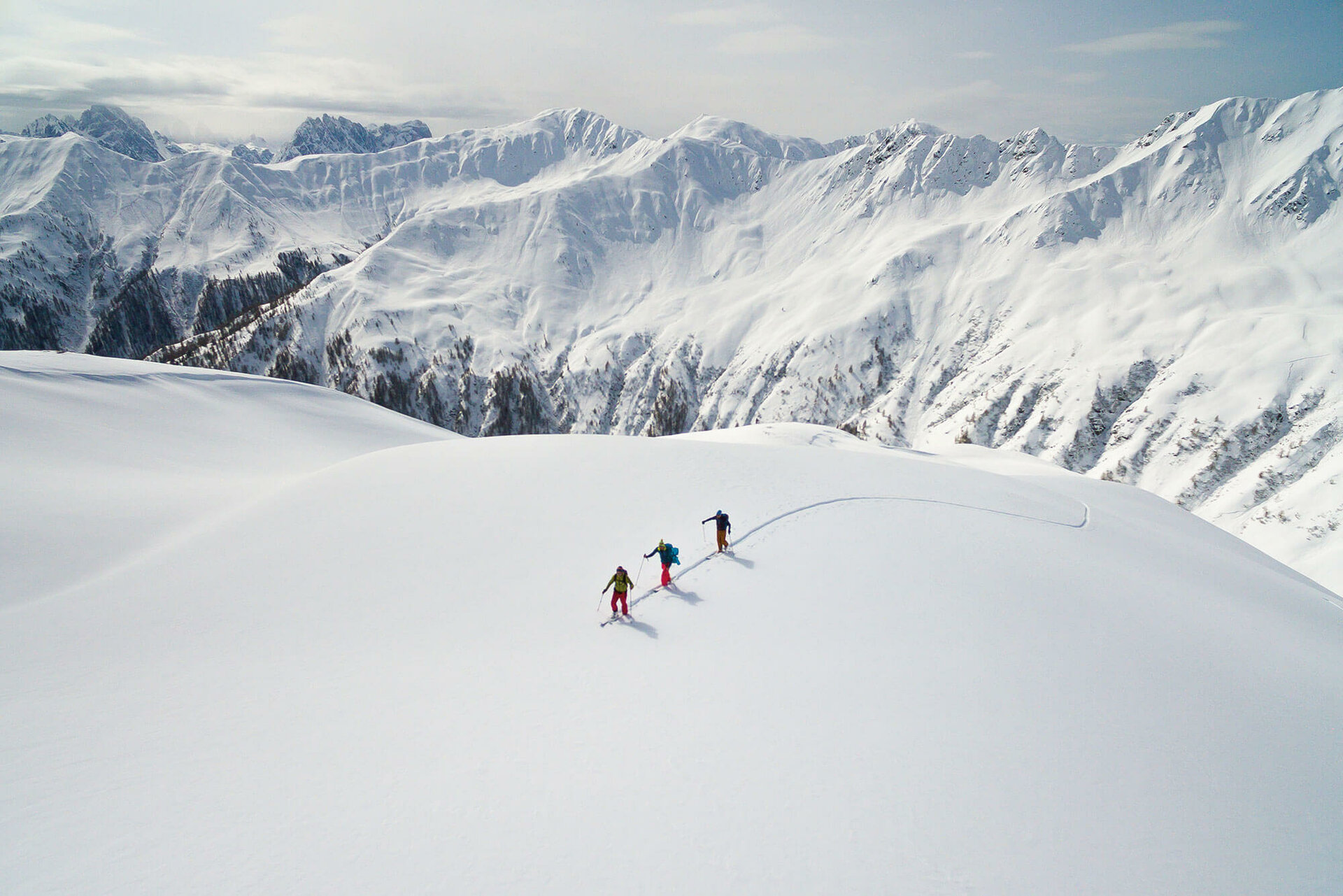
In many places, ski tourism and nature conservation don’t always go hand in hand. Osttirol shows that there’s another way. With its 266 peaks over 3,000 meters, the region is a paradise for ski mountaineers. To ensure it stays that way, snow lovers, outdoor enthusiasts, and even children and teenagers are taught to treat nature with respect.


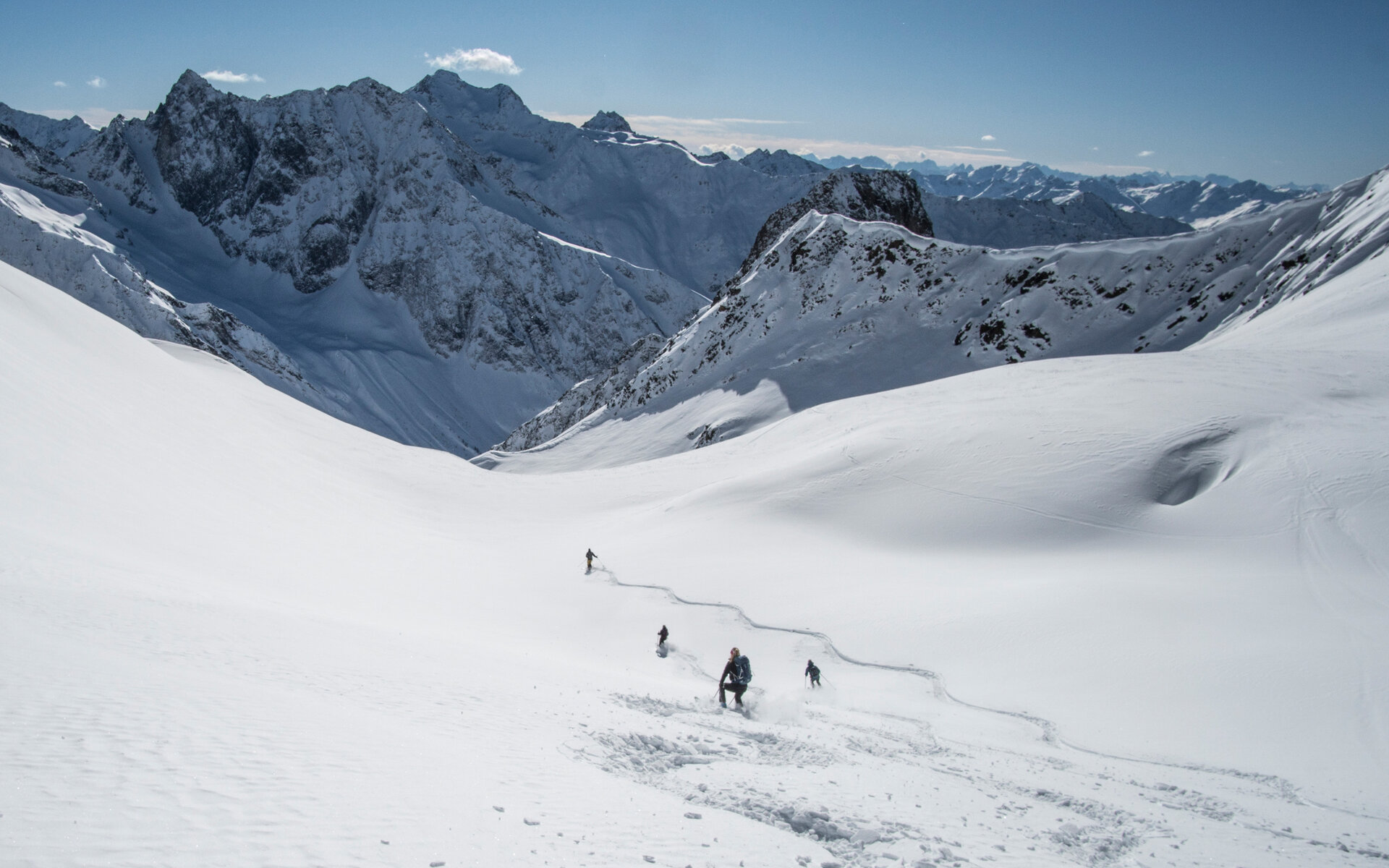
With climbing skins attached to their skis, ski tourers make their way uphill using only their own strength . The grueling ascent is followed by the crowning highlight: the descent through pristine powder or crisp firn snow. Enjoying nature and protecting it go hand in hand on a backcountry ski tour. That’s because when you’re out on a backcountry ski tour, your experience often overlaps with the habitat of rare, disturbance-sensitive animals such as capercaillies, chamois, or ibex. Those who travel in an environmentally responsible manner respect protected and conservation areas for plants and animals. In Osttirol, people have always been aware of this responsibility toward nature. And yet, restrictive measures are avoided. The potential of sustainable tourism infrastructure is highlighted and promoted through special offerings.
As part of the “Bergwelt Tirol – Experiencing Nature Together” program, nature enthusiasts are made aware of the needs of animals and plants worthy of protection, provided with valuable behavioral tips, and informed about attractive, nature-friendly routes. In addition, a

well-thought-out concept for protected zones

was

developed and designated

throughout Osttirol with the involvement of all relevant stakeholders. Respecting these winter refuges saves the lives of wild animals!

Villgratental Pilot Region

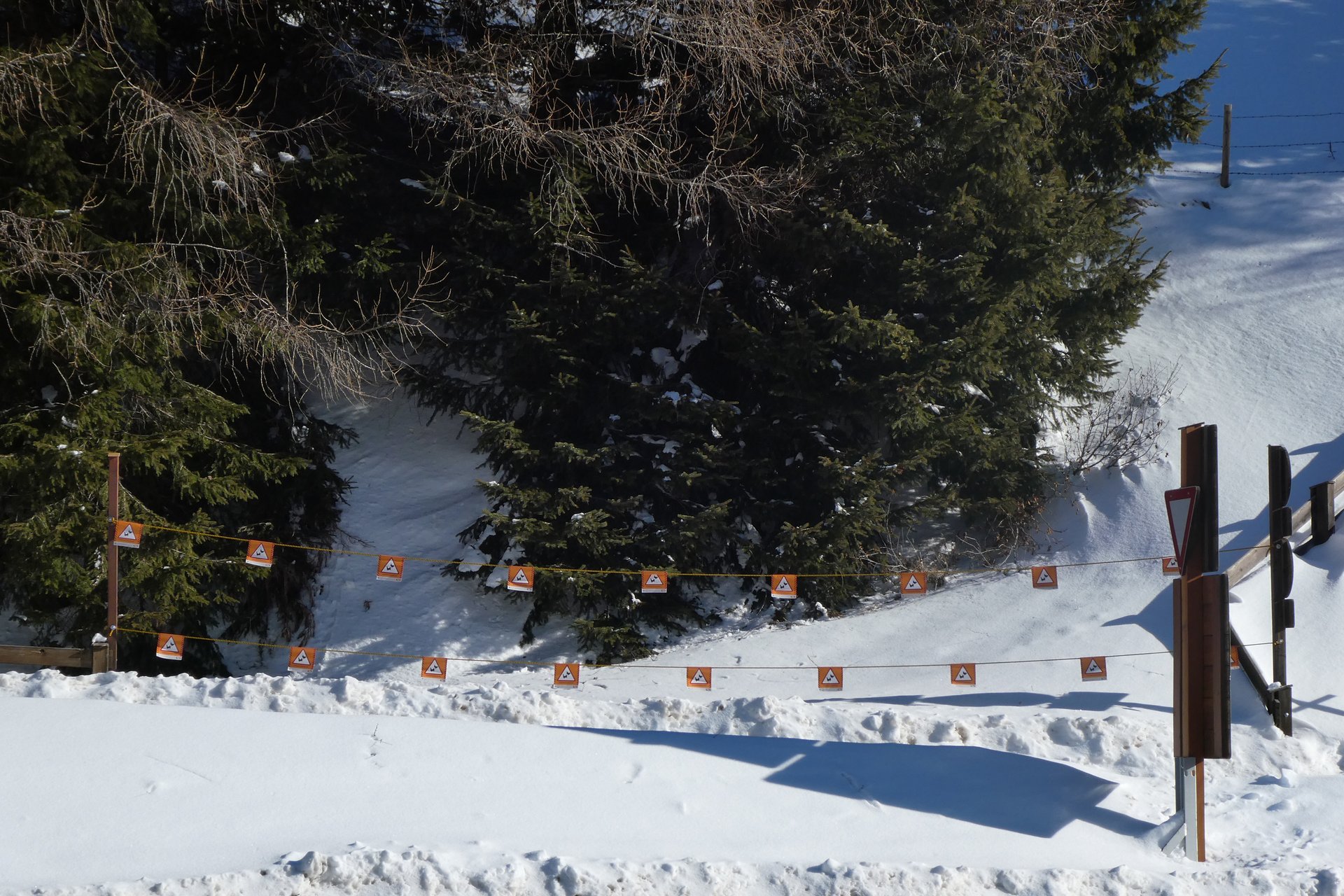
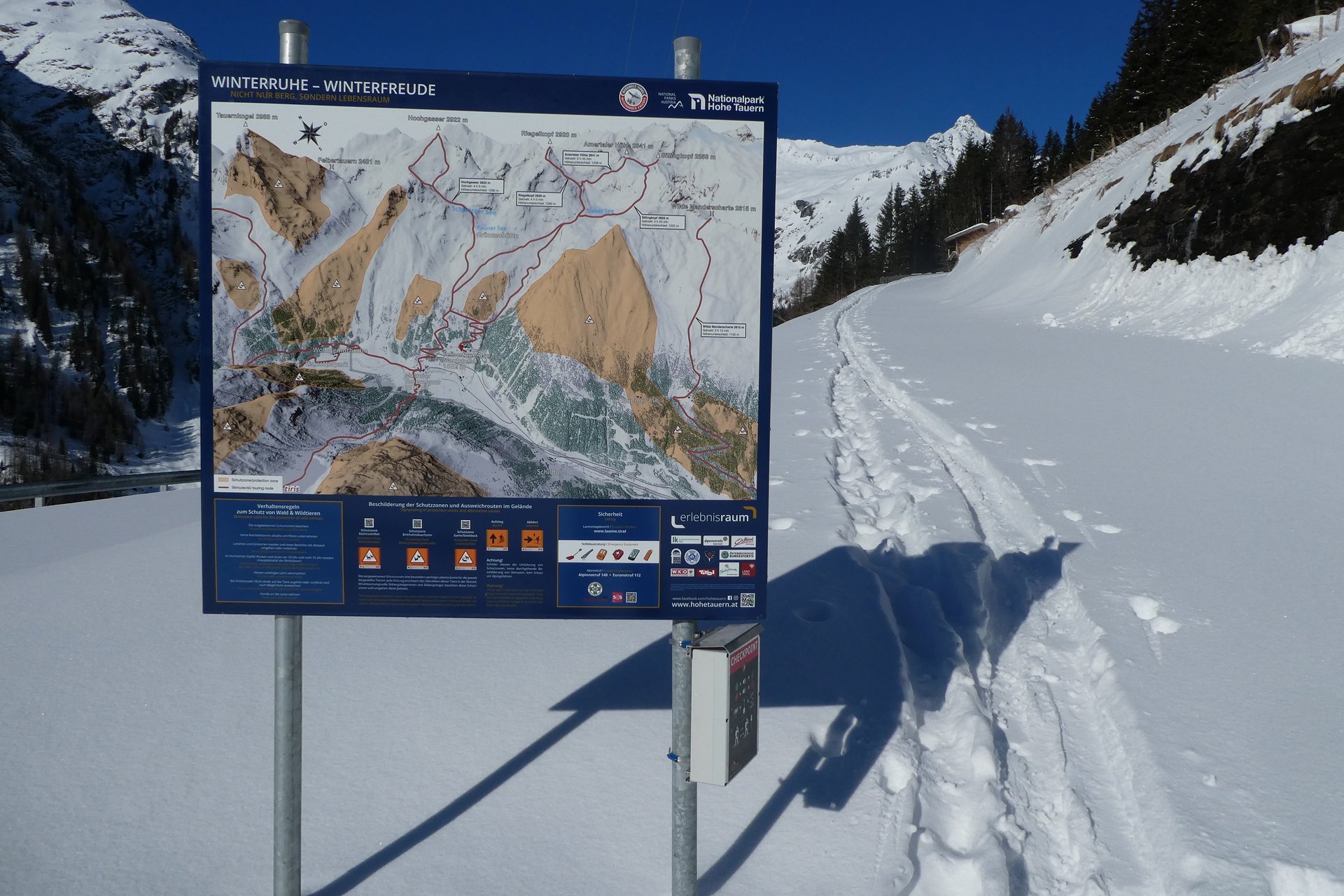
The Villgratental valley in Osttirol, for example, served as a pilot region for the “Bergwelt Tirol – experiencing it together” project . At that time, farmers, hunters, ski tourers, landowners, hikers, climbers, mountain bikers, mountaineers, clubs, associations, tourism professionals, and mountain rescue teams came together around the table. The goal: to keep natural areas accessible to all stakeholders while protecting the flora and fauna. The result was the Villgratental ski touring management plan. “As part of this, feeding stations for red deer were relocated and the trail network was carefully modified,” recall members of the Villgratental working group. “Since then, there have been special ascentand descent guidelines for ski tourersin the form of directional signs. The management system has since proven so successful that it is now being used in many parts of Osttirol, as well as in other regions and for other mountain sports enthusiasts, such as mountain bikers and hikers.”

The Mountain: A Winter Habitat

back
Next
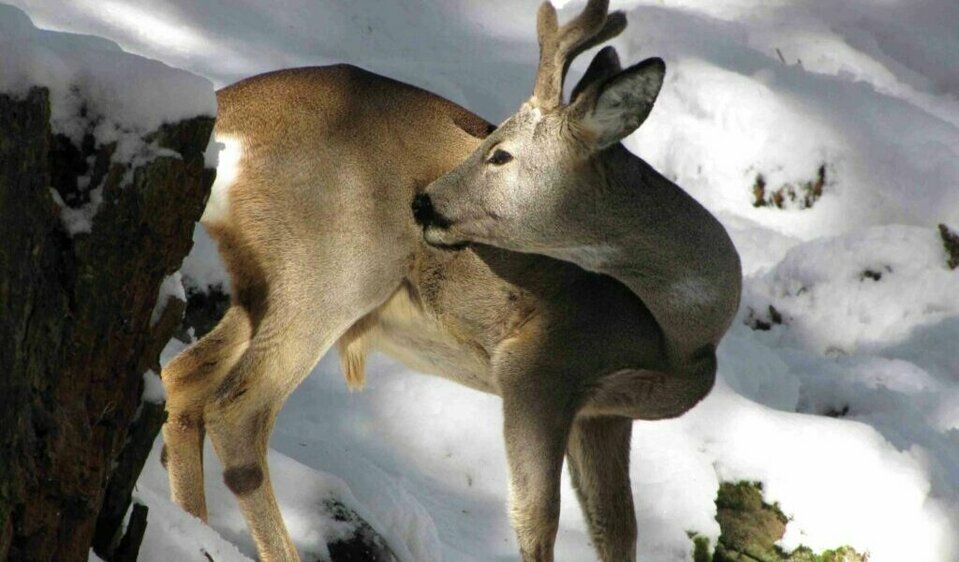
A roebuck looking for food
Animals like roe deer go into survival mode in winter.
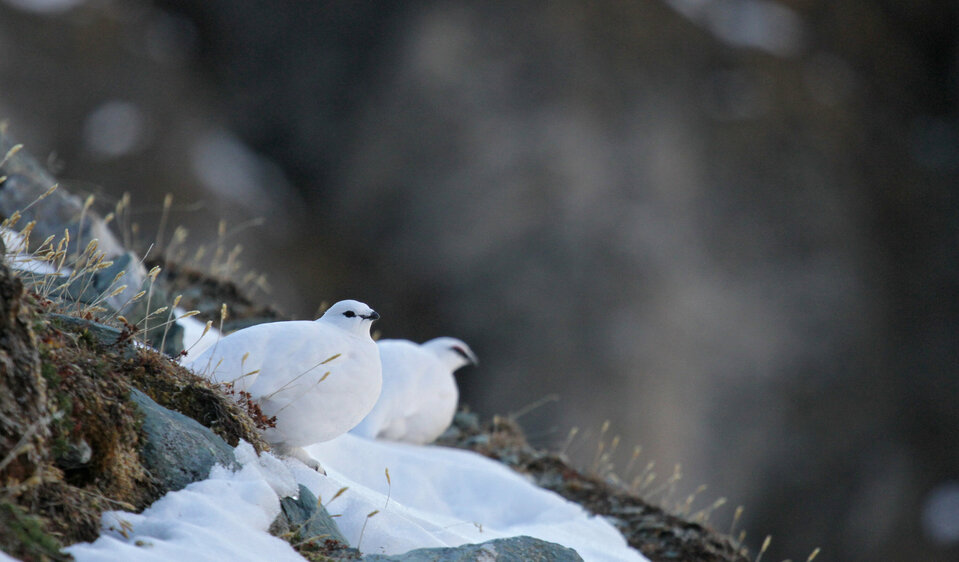
A ptarmigan in the Nationalpark Hohe Tauern
Due to the limited food supply, energy must be conserved in winter.
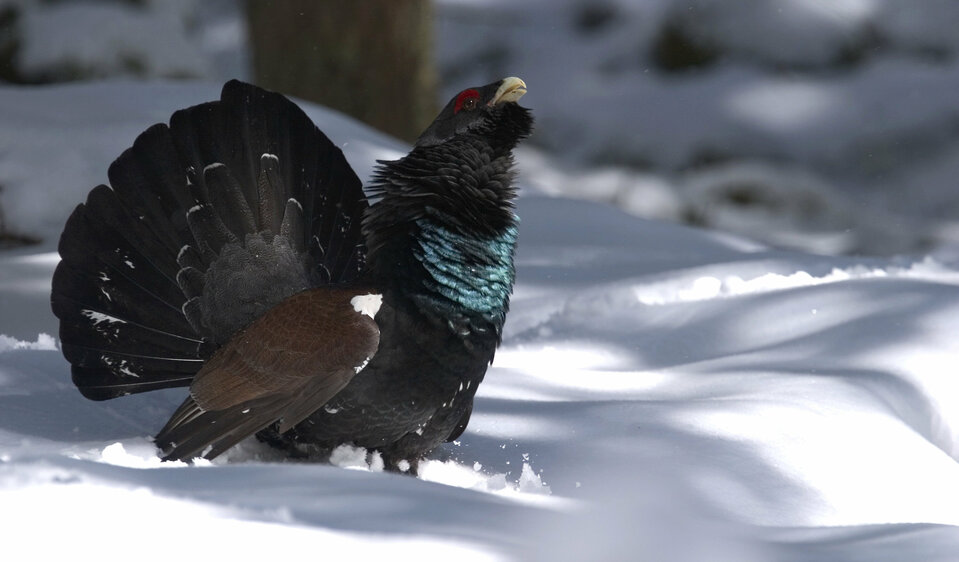
Capercaillie in Winter
Fight-or-flight responses can be fatal if the energy loss is too great.
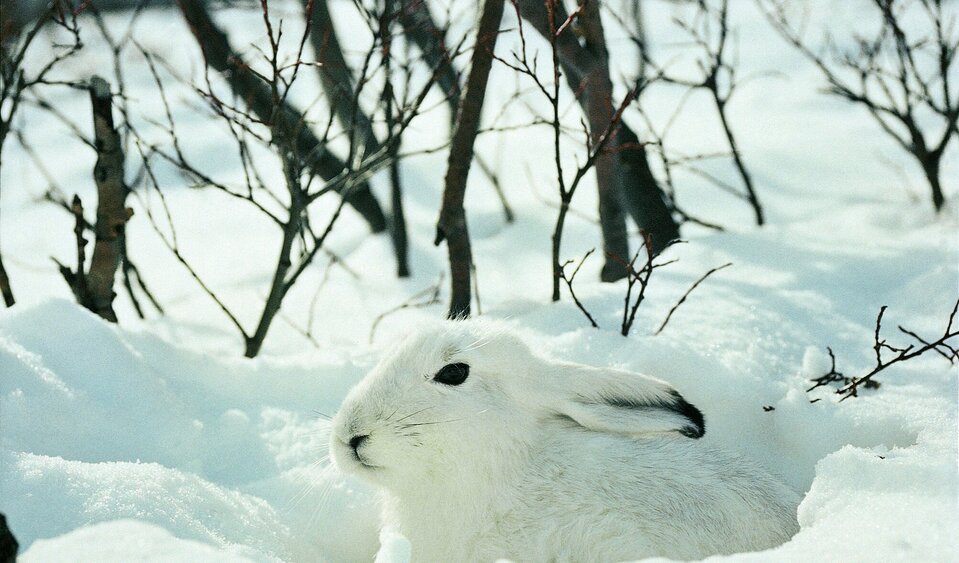
Snow Hare
Animals like the snowshoe hare need to rest during the winter.

The seasons, in particular,shape the unique natural habitats of Osttirol. While nature bursts with vitality in the summer, animals switch to survival mode in the winter. Flight responses can be fatal if the energy loss is too great to be offset by the scarce food supply. That is why the wildlife absolutely needs peace and quiet! As someone who enjoys and benefits from nature, please respect the jointly established quiet zones, which were created for wildlife conservation reasons.

The Mountain Forest

Vital mountain forests play an important protective role as “green infrastructure,” particularly in the Alpine region, against natural hazards such as avalanches and rockfalls. Many protective forests in the Alpine region are no longer fulfilling their function optimally, which can have serious consequences for the regional population. The causes of this include widespread aging and a lack of regeneration in these protective forests, as well as natural events such as windthrow, snow breakage, and bark beetle infestations; the situation is further worsening due to climate change. In addition to a consistent regeneration strategy and targeted management and utilization measures, far-sighted and responsible nature users like you are essential for the transformation into a resilient mountain forest that will be fit for future generations! Please avoid the designated protected zones. Why? Driving through areas of young growth hinders forest regeneration by causing direct damage, as your sharp ski edges can cause lasting damage to young trees—even under the snow. Habitat fragmentation and disturbances to wildlife—such as those caused by ski tourers—can also impair forest regeneration. Wildlife then often retreats to protected forest areas that are difficult for humans to access and thus relatively quiet, where they cause increased browsing damage locally.


Thank you for respecting the jointly established quiet zones and thereby contributing to a harmonious coexistence between people and nature!


View the protected zones on the interactive map of Osttirol!


The individual protected zones become visible depending on the map type settings.

Rules of Conduct for the Protection of Forests and Wildlife

  • Observe the legal ban on entering young forests: Vital mountain forests play an important role in protecting against natural hazards such as avalanches and rockfalls in Osttirol. It is therefore important that these forests are preserved and allowed to regenerate. Sharp ski turns can damage young trees even under the snow.
  • Avoid twilight hours and make the most of daylight: The period from one hour after sunrise to one hour before sunset is particularly important for wildlife to forage. At the very least during this time, they should be left undisturbed.
  • Please keep your dog on a leash: Wild animals are very sensitive to dogs, and even if they do not flee, their metabolic rate increases as their bodies prepare for flight.
  • Avoid mountain pine and green alder fields as well as scattered groups of trees, and bypass snow-free ridges and ridgelines where the snow has been blown away: To conserve energy, wildlife follows a strategy of taking the shortest routes in winter. Even though we often cannot spot wild animals, such as ptarmigans, the areas mentioned above provide them with food and cover essential for survival in a very small space.
  • Do not approach or follow wild animals: If you see wild animals, give them a wide berth. If they have already spotted you, give them time to retreat with as little disturbance as possible.
  • Refrain from flying drones: Drone flights are prohibited in the Nationalpark Hohe Tauern. However, even outside the protected area’s boundaries, many wild animals perceive drones as a threat and flee.
  • Respect forest and wildlife protection zones: The forest and wildlife protection zones shown represent particularly important winter habitats and refuges for the respective animal species depicted. Every disturbance causes wildlife to expend unnecessary energy. Once their reserves are depleted, the cumulative effect of these disturbances can lead to death.
Newsletter

Subscribe to our newsletter and receive the best tips every month for current offers, mountain tours, events and much more.