Funded Projects: Interreg and LEADER

Strengthening Regions Sustainably: An Overview of European Funding Projects

INTERREG and LEADER are more than just funding programs—they are driving forces behind regional development in Osttirol. INTERREG promotes cross-border cooperation between neighboring regions and cities in the EU. The goal is to strengthen cooperation in various areas—from the economy and tourism to the environment and infrastructure—through joint projects, thereby sustainably improving the daily lives of both local residents and visitors. LEADER, on the other hand, stands for “Integrated Approach to Local Development” and provides a strategic framework for targeted regional development. It involves developing tailored solutions to best address the specific challenges and needs of a region.

Interreg Projects in Osttirol

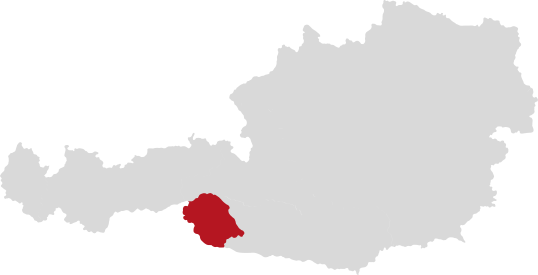
Interreg programs are a central component of the European Union’s regional policy and encompass six different program regions. Located directly south of the main Alpine ridge, Osttirol is part of the “Alpine Space” region, which spans a total of five EU member states, Liechtenstein, and Switzerland, showcasing the contrasts between unspoiled nature and vibrant cities.


The Alpine Space region brings together contrasts—from unspoiled nature to vibrant cities. Within the framework of Alpine Space funding, the focus is on projects addressing climate protection, energy efficiency, innovation and digitalization, as well as improved administrative structures. These projects are funded by the European Regional Development Fund (ERDF), with an EU co-financing rate of up to 75%.

Interreg Project "The Hoch-Tirol-Trail"

The Hoch-Tirol-Trail long-distance hiking trail spans three stages and connects the South Tyrolean municipality of Prettau in the Ahrntal Valley with Prägraten am Großvenediger in Osttirol. In South Tyrol, the trail passes through the Rieserferner-Ahrn Nature Park, and in Osttirol, through the Nationalpark Hohe Tauern. Over a distance of 25 kilometers, hikers start in South Tyrol and climb 1,490 meters in elevation before descending 1,000 meters.


The Hoch-Tirol-Trail was created with funding from the European Regional Development Fund and Interreg V-A Italy-Austria 2014–2020. You can find all information about the Hoch-Tirol-Trail long-distance hiking trail here, as well as on the website of the Austrian Alpine Club.

Interreg Project "ITAT 2048 Look up"

The “LOOK UP—Rediscovering Cross-Border Artistic and Religious Cultural Heritage in the Mountains” project aims to promote and enhance places of faith and spirituality.


The project involves conducting a cross-border socio-economic analysis to ensure the integrity of the ecological and environmental protection systems in the participating regions. The intended connection between the project areas and their significant places of worship underscores their historical, cultural, and religious significance, which they acquired during the era of pilgrimages. A wide variety of events, as well as promotional and communication activities, will be organized to disseminate the results of the carried-out activities and to expand the existing network.


The planned actions will also promote sustainable, comprehensive tourism that is accessible to all and respects local traditions. Project partners include the Ursuline Sisters (scm), the City of Udine, the Osttirol Tourism Association, and the Osttirol Education Center.

Logos von Interreg Italia-österreich, der Europäischen Union, dem Bildungshaus Osttirol, der Region Osttirol und der Kommune von Udine.

Interreg Project "ITAT 4116 BIKE-DL"

Unless you’re walking, biking is the most eco-friendly way to get around. It has all the makings of a prime example—the very embodiment of sustainability. Emission-free, quiet, efficient, and climate-friendly—as well as versatile, fast, cost-effective, and good for your health.

Bicycle tourism is constantly on the rise, as is user demand for corresponding services. Some bike paths have shortcomings in terms of meeting tourist demand, including in the areas of food and beverage services, bike storage facilities, public restrooms, charging stations for e-bikes, and separate waste collection.


The municipality of Longarone, the Niederdorf Tourism Association, and the Osttirol Tourism Association intend to address these gaps by providing appropriate services in the respective sections of their catchment areas.

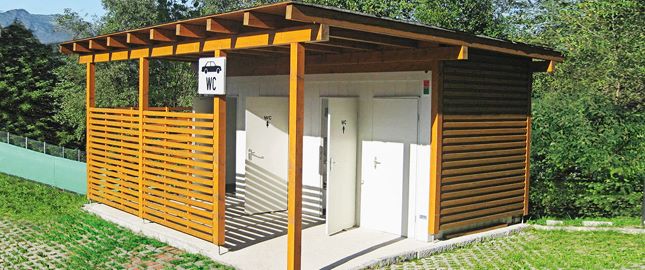
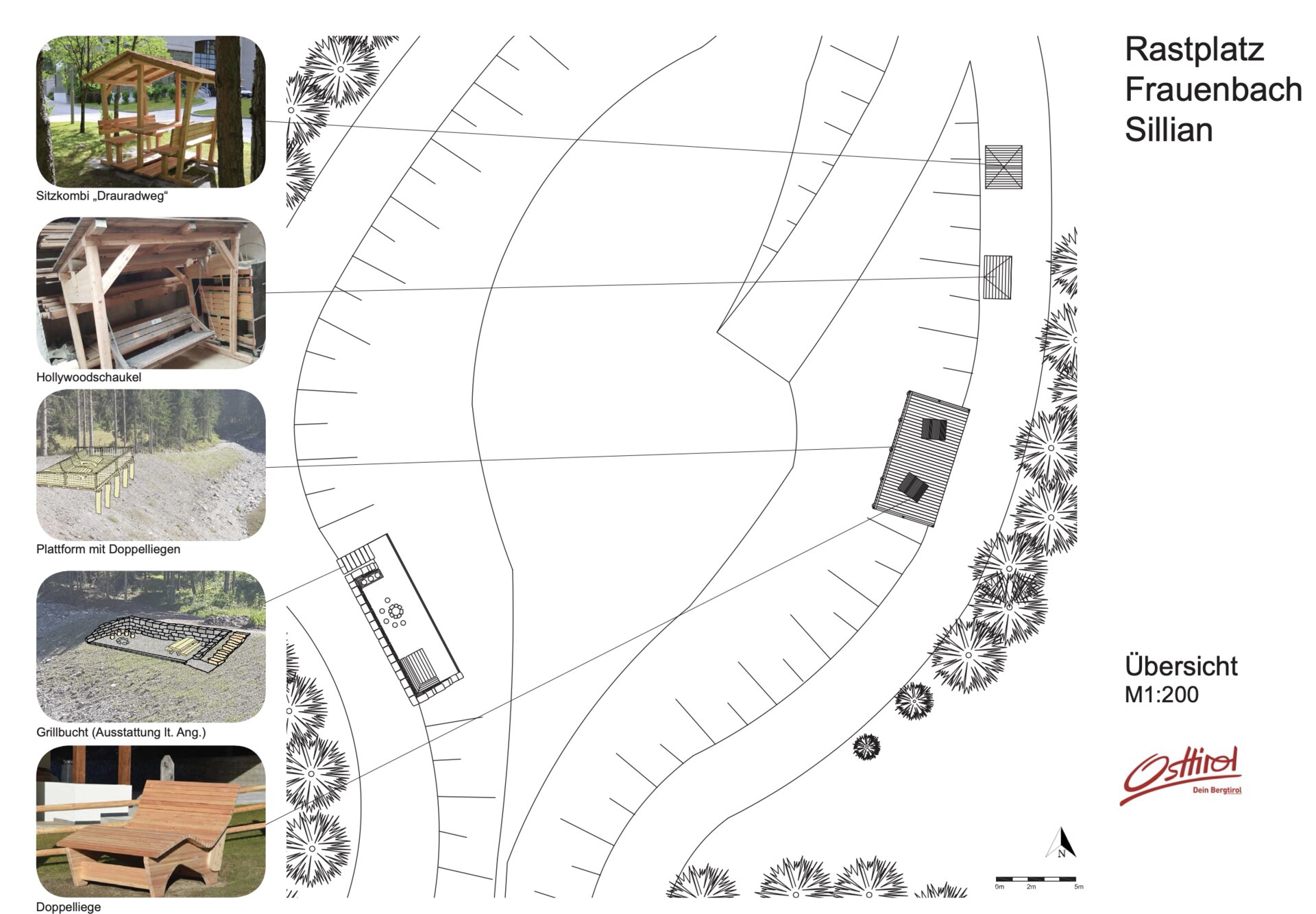
The Osttirol Tourism Association plans to build restroom facilities and a rest area along the Drauradweg.

A cross-border information event is planned for businesses with an interest in cycling.

Project partners:

Interreg Project "ITAT 4186" - Walking Together

The Osttirol Tourism Association (TVBO), the municipality of Taibon Agordino, and the Sexten Tourism Association (together with the South Tyrol Alpine Club and the Drei Zinnen Nature Park) are in charge of and responsible for the trail networks in their respective valley floors. The various nature and culture trails allow hikers and walkers to explore the region, impart knowledge, and promote sustainable tourism. To enhance the trails, make them more accessible, and raise awareness of the places they connect, the trail network will be equipped with appropriate and up-to-date directional signs and panoramic panels. One goal of the project is to install signage and multilingual information panels along the trails.

The Osttirol Tourist Board (TVB-Osttirol) is connecting approximately 45 kilometers of existing hiking trails into a circular trail along the valley floor. Another objective is to improve the quality of existing wayfinding and signage systems in the municipality of Sexten under the motto “less is more.” The municipality of Agordo is signing a Nordic walking trail, installing a panoramic display, and signing various hiking trails.


Cross-border exchanges between the project partners will focus on sharing information regarding marketing and promotion in the areas of hiking and sustainability. Toward the end of the project, reciprocal on-site visits will take place to gain an overview of the project results in each partner region.


Project partners: Osttirol Tourism Board, Municipality of Taibon Agordino, and Sexten Tourism Association
Funding Program: Interreg CLLD Dolomiti Live 2014–2020
Duration: January 15, 2022 – November 30, 2022

Interreg Project "2TälerTrail"

Interreg Project "SMACKER"

The SMACKER project supports municipalities in improving public transportation in rural regions through user-centered design and cooperation with local partners. In addition to pilot projects such as new mobility services, it relies on soft measures—such as campaigns to change behavior—to promote sustainable solutions.


In Osttirol, implementation focuses on carsharing and climate-friendly vacation mobility, with social science analyses helping to tailor services specifically to users’ needs. The project is being implemented by nine partners from six countries and is co-financed with 2.1 million euros, with Osttirol serving as one of six pilot regions. Through innovative approaches such as nudging, gamification, and digital technologies, SMACKER aims to make sustainable mobility more attractive.


As part of the implementation, communication initiatives were also launched, such as promoting car-free leisure activities.


You can find detailed information on the Regional Management Osttirol (RMO) website.

LEADER Projects in Osttirol

LEADER is a regional development approach that has been used in rural areas of the EU for nearly 30 years. It enables local stakeholders to actively participate in the planning and implementation of strategies, make decisions, and allocate public funds to regional projects. Municipalities, businesses, and civil society work together to develop their region and also contribute financially. In Austria, there are currently 83 LEADER regions, in which a total of approximately one billion euros is being invested in rural areas. Across the EU, LEADER is implemented in around 3,300 regions and reaches 61% of the rural population.


LEADER plays three key roles: As a funding advisory service, it supports projects from concept to implementation; as a network hub, it strengthens regional and international cooperation; and as a socially innovative enterprise, it independently implements nonprofit initiatives. LEADER is funded by EU resources from the European Agricultural Fund for Rural Development (EAFRD) as well as by federal and state funds. Through this participatory approach, regional challenges are specifically addressed and the future of Osttirol is actively shaped. The principles guiding its work are local partnership, area-based focus, a bottom-up approach, networking and cooperation, and cross-sectoral approaches.

LEADER Project "Superhost"

The Osttirol Tourism Association , together with the Association of Private Room Renters and the Agricultural Training Institute, is working to reestablish the profession of private room renter as part of the “Superhost” project. The goal is to encourage young people currently enrolled in the Agricultural Training Institute’s program to become private room landlords in the future and to reactivate any family-owned properties that are currently vacant for use in the tourism industry. You can find more information about this LEADER project on the Osttirol Regional Management website.

back
Next
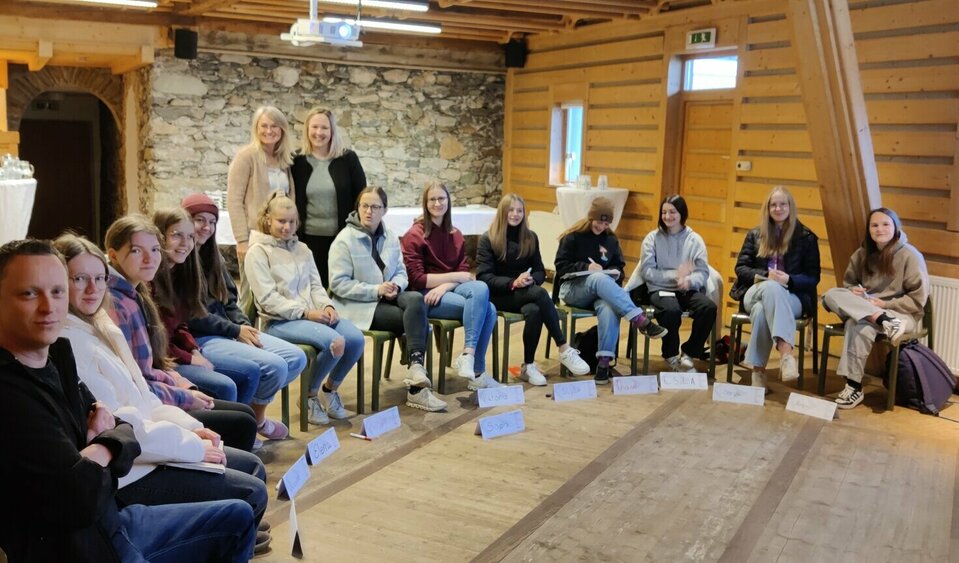
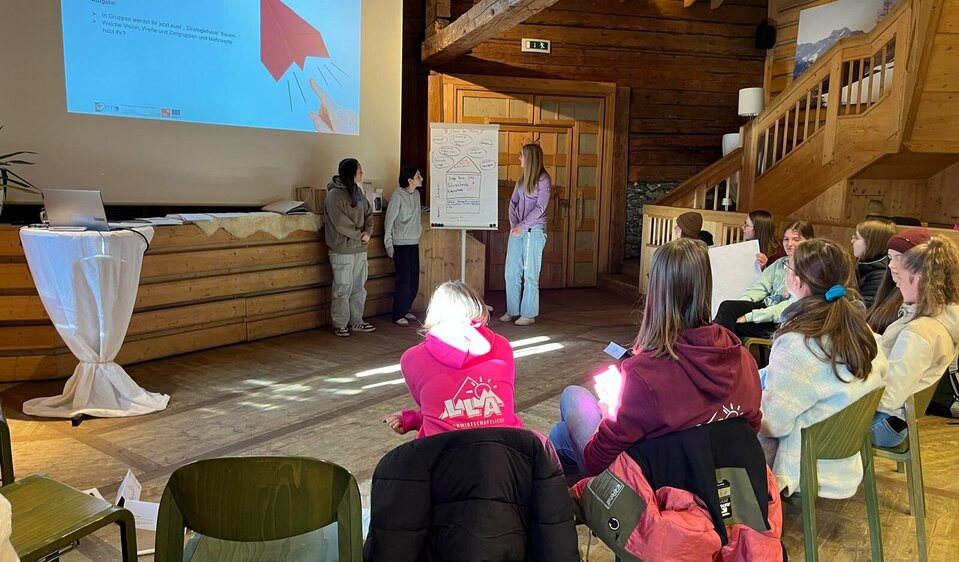
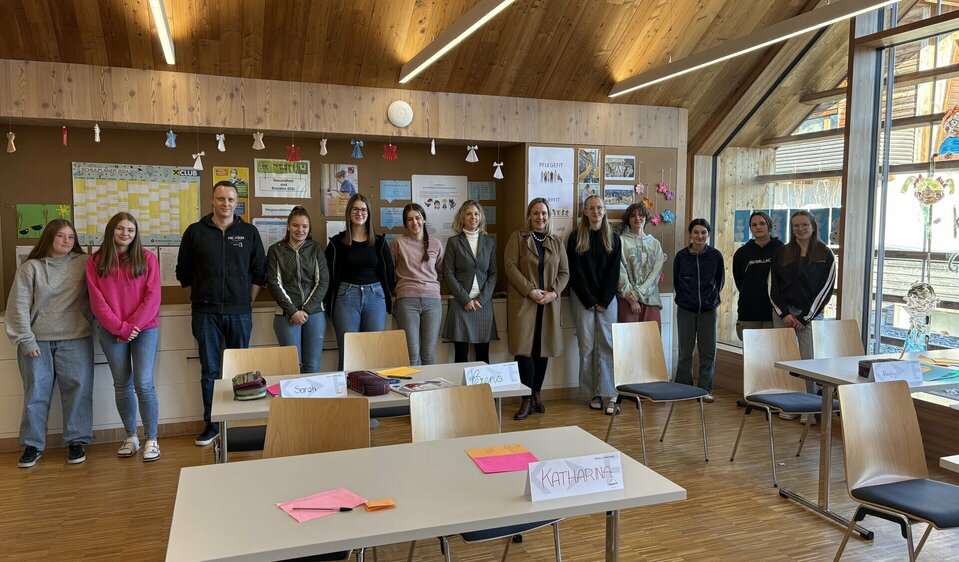
Students at the Lienz Agricultural School are trained to become "Superhosts" over the course of four semesters.
The training includes workshops that involve active participation and presentations of what has been learned.
"Superhost" is a cross-institutional LEADER project between the Osttirol Tourism Association and LLA Lienz aimed at effectively linking agriculture and tourism.

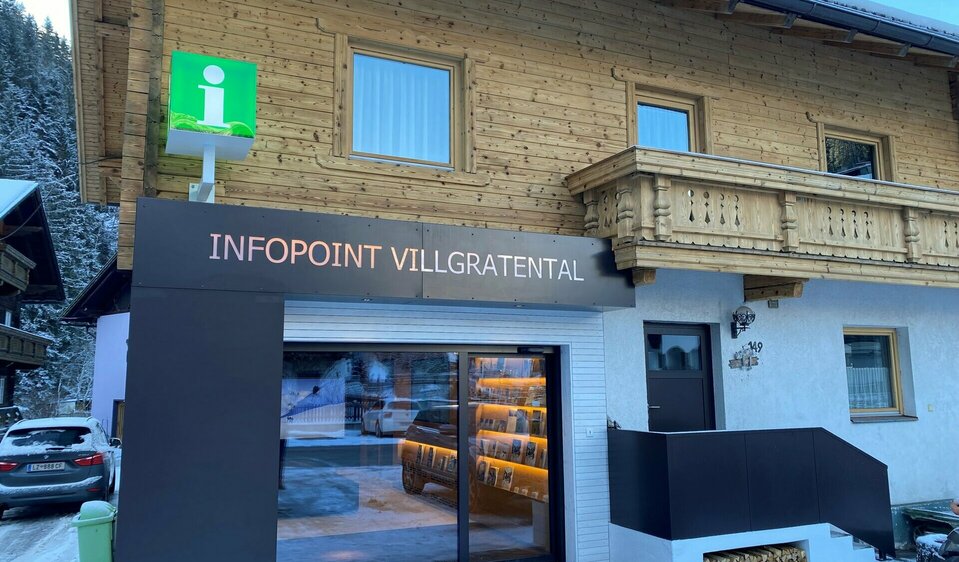
LEADER Project "DIG-INFO-POINT Villgratental"

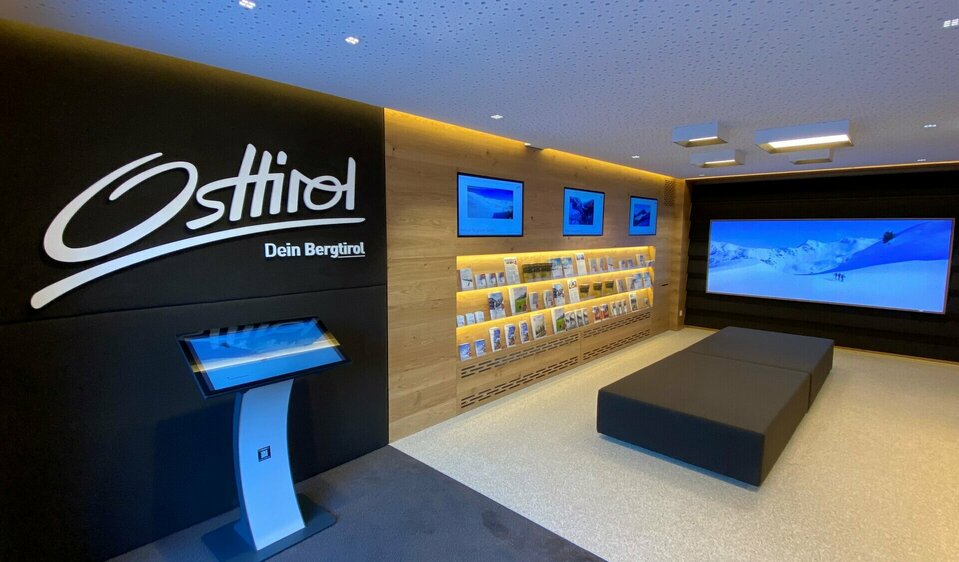
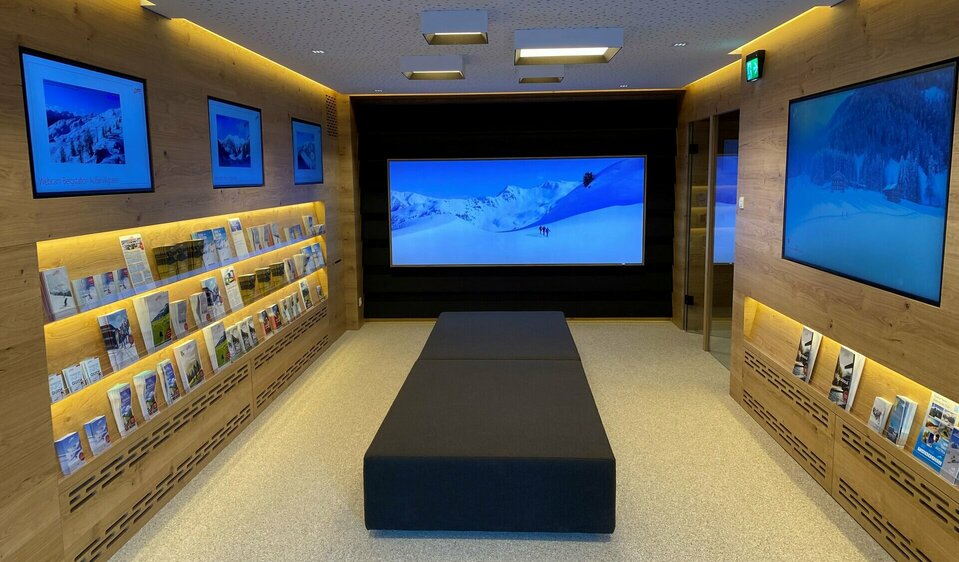
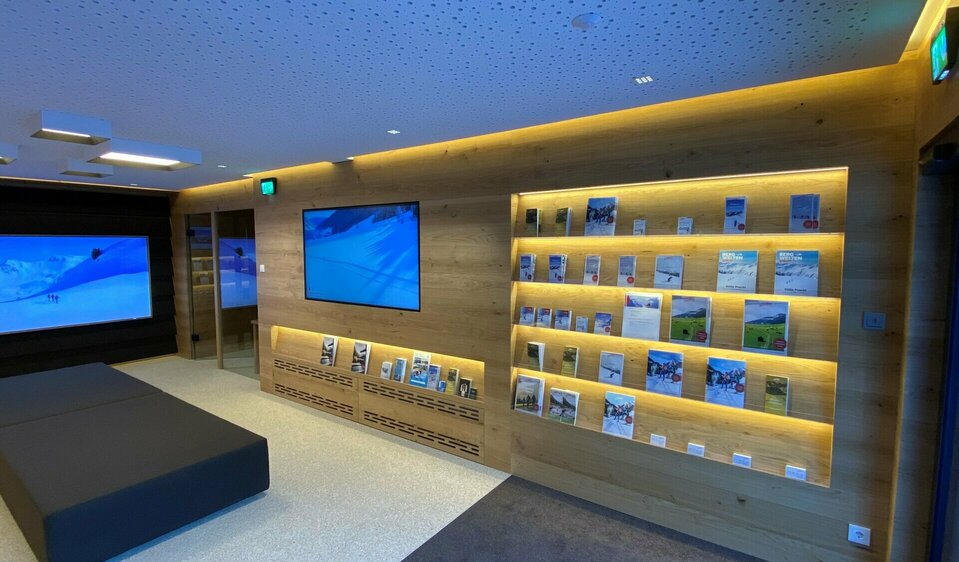
A digital information point is being set up in Außervillgraten, the first town in the Villgratental. This facility will be accessible 24 hours a day, 7 days a week, providing guests and other interested parties with digital support at any time. In addition to state-of-the-art information kiosks and monitors displaying real-time webcam footage, the facility will also offer remote assistance through interactive contact with the tourism association. The Villgraten Digital Info Point is intended to be the central hub for all tourism-related matters throughout the Villgratental Valley. You can find more information about this LEADER project on the Regionsmanagement Osttirol website.

back
Next
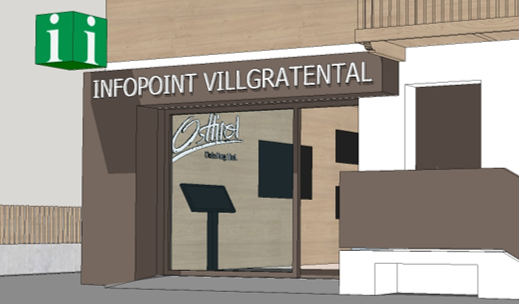
Design of the exterior of the digital information point in Außervillgraten
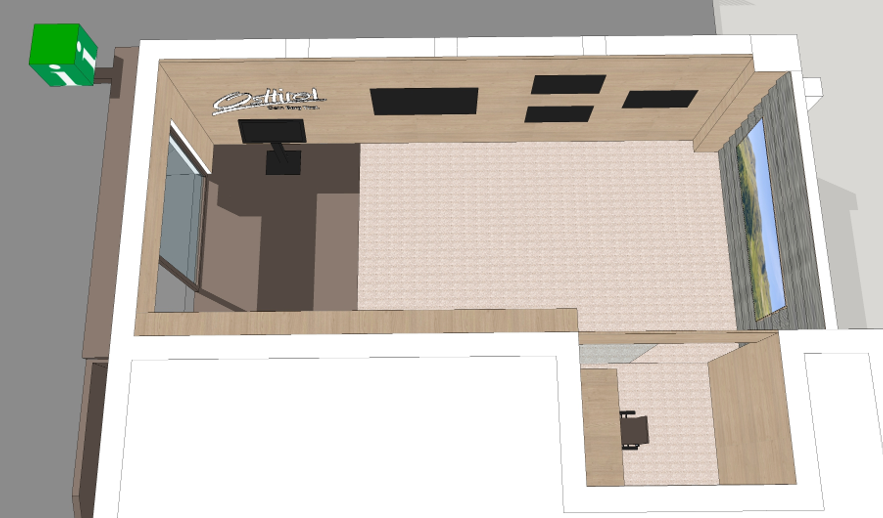
Design of the interior of the digital information point in Außervillgraten
Successful implementation of the exterior design of the Infopoint in Außervillgraten
The digital information point in Innervillgraten is both informative and inviting, and offers visitors a variety of ways to get information.
Information and seating areas allow visitors to relax and linger.
Numerous brochures and informational materials are available for you to take.

LEADER Project "Zettersfeld Family Park"

As a recreational area close to the city that has been accessible by cable cars and lifts for decades, the Zettersfeld near Lienz still has potential for summer operations. To enhance the area’s appeal, a project team was formed in 2018 to develop new infrastructure and recreational offerings in collaboration with local partners.


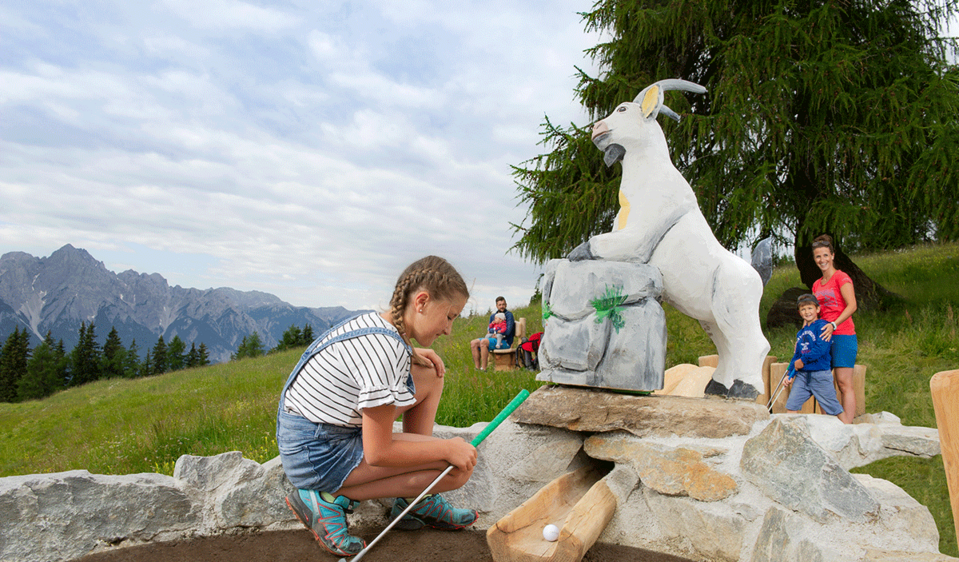
A central element is the adventure golf course along a stroller-friendly hiking trail with 15 stations, offering barrier-free play opportunities for all ages. In addition, new rest areas, exercise stations, and nature-oriented playgrounds were created, enhancing the area for families and nature enthusiasts. The project combines social, educational, and ecological aspects and creates a unique sports and recreation offering in Tyrol.


For more information on this LEADER project, visit the website of Regionsmanagement Osttirol (RMO).

back
Next
Familienpark Zettersfeld
Eine Familie spielt Minigolf im Familienpark Zettersfeld. Das Mädchen kniet auf der Bahn vor einer Steinbock Figur.

LEADER Project "E-Bike Charging Stations in Osttirol"

The Osttirol 2030 E-Mobility Strategy was developed in collaboration with regional stakeholders. A key project is positioning Osttirol as an e-bike destination with comprehensive charging infrastructure, which was expanded to include approximately 50 charging stations by 2021. In addition, marketing initiatives, partnerships with local businesses, certified e-bike tours, and a rental and partner network were implemented.


The goal of the project is to offer locals and visitors a seamless and attractive e-bike experience that combines nature trails with adventurous highlights. The project strengthens the Osttirol brand as a sustainable, innovative destination and contributes to the implementation of the regional e-mobility strategy.


You can find details about this LEADER project on the Osttirol Regional Management website.

LEADER Project "Positioning the Defereggental Valley for Summer Tourism"

The tourism market is characterized by standardized offerings and increasing competition, which is why a clear marketing strategy and positioning are crucial. The Defereggental currently lacks a clear summer tourism positioning that is aligned with Osttirol’s overall strategy.


The goal of the project was to define the thematic positioning. This means developing a tagline, slogan, or core message. The result should be a clear summer tourism positioning in harmony with Osttirol’s positioning. Building on this positioning, a summer tourism pilot project is to be designed that clearly reflects the positioning concept. This pilot project will subsequently be planned in conceptual detail. In addition to the original assignment, numerous project ideas were developed (water resources), and in-depth planning was also carried out for the Ochsenlacke/Moosalm area.

Based on research, site visits, and discussions, an initial draft for the positioning and the project ideas was developed. In a second step, the ideas were presented and discussed in a workshop in St. Jakob. During this process, the in-depth development of the project idea for the Moosalm/Ochsenlacke area was identified as a key additional task. The results of the workshop were integrated into the subsequent planning work, and further site visits were conducted. In a second workshop, the planning results were presented and discussed.


Download the brochure


Further information is available on the website of Regionsmanagement Osttirol (RMO).

Newsletter

Subscribe to our newsletter and receive the best tips every month for current offers, mountain tours, events and much more.