The Joy of Missing Out

Osttirol, Austria: Plenty of space, but not much to do

No crowds making their way through winter landscapes. No mountains serving as the backdrop for a perfectly staged scene. No endless list of must-see attractions. Osttirol focuses on something that’s becoming increasingly rare in our fast-paced daily lives: time that isn’t scheduled.

What We Gain When We Plan Less

Vacations have long since become optimization projects. We save locations, make restaurant reservations in advance, research tours, and fill our free time with activities. Added to this is the desire to capture experiences: searching for the perfect shot, photographing the sunrise, taking a selfie against a mountain backdrop, and sharing the moment immediately with others. In the process, something can easily be lost: truly experiencing the place and the feeling.


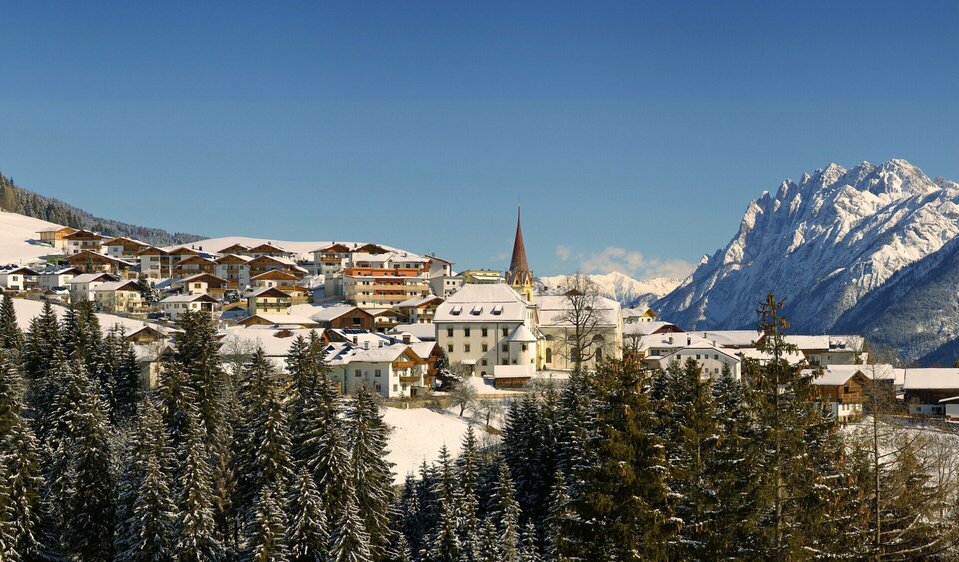
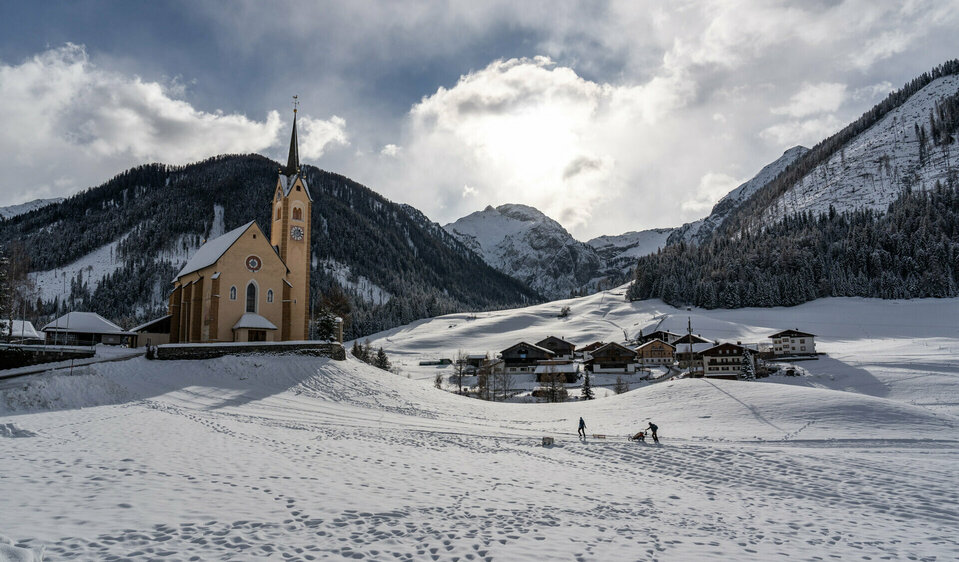
Instead of trying to experience as much as possible, there’s a growing desire to leave some things out. For tourism, this represents a shift in perspective; for Osttirol, it’s more of a return to what has long defined the region. This Austrian vacation destination, nestled between the Nationalpark Hohe Tauern, the Lienzer Dolomiten, and the Carnic Ridge, has always relied on its natural features—its largely unspoiled landscape, small, established communities, and plenty of space for outdoor adventures.

back
Next

What sounds like a new travel trend today is actually a long-standing tradition in Osttirol. About 20 years ago, the Villgratental valley caught people off guard with a phrase that was unusual for the time: “Come visit us—we have nothing.” This remark by a Villgratental mountain guide became the region’s advertising slogan and was a rebuke to the competition at the time to offer ever more attractions. The message was meant to show that a vacation doesn’t have to be tightly scheduled. Today, the idea takes on new meaning. Because perhaps this very “nothing” is exactly what many people are looking for: no set itinerary, no constant distractions, no need to be constantly reachable, no moment that has to be photographed right away. Not as a retreat from the world, but as an invitation to simply be where you are right now

Don't just experience it—experience it differently.

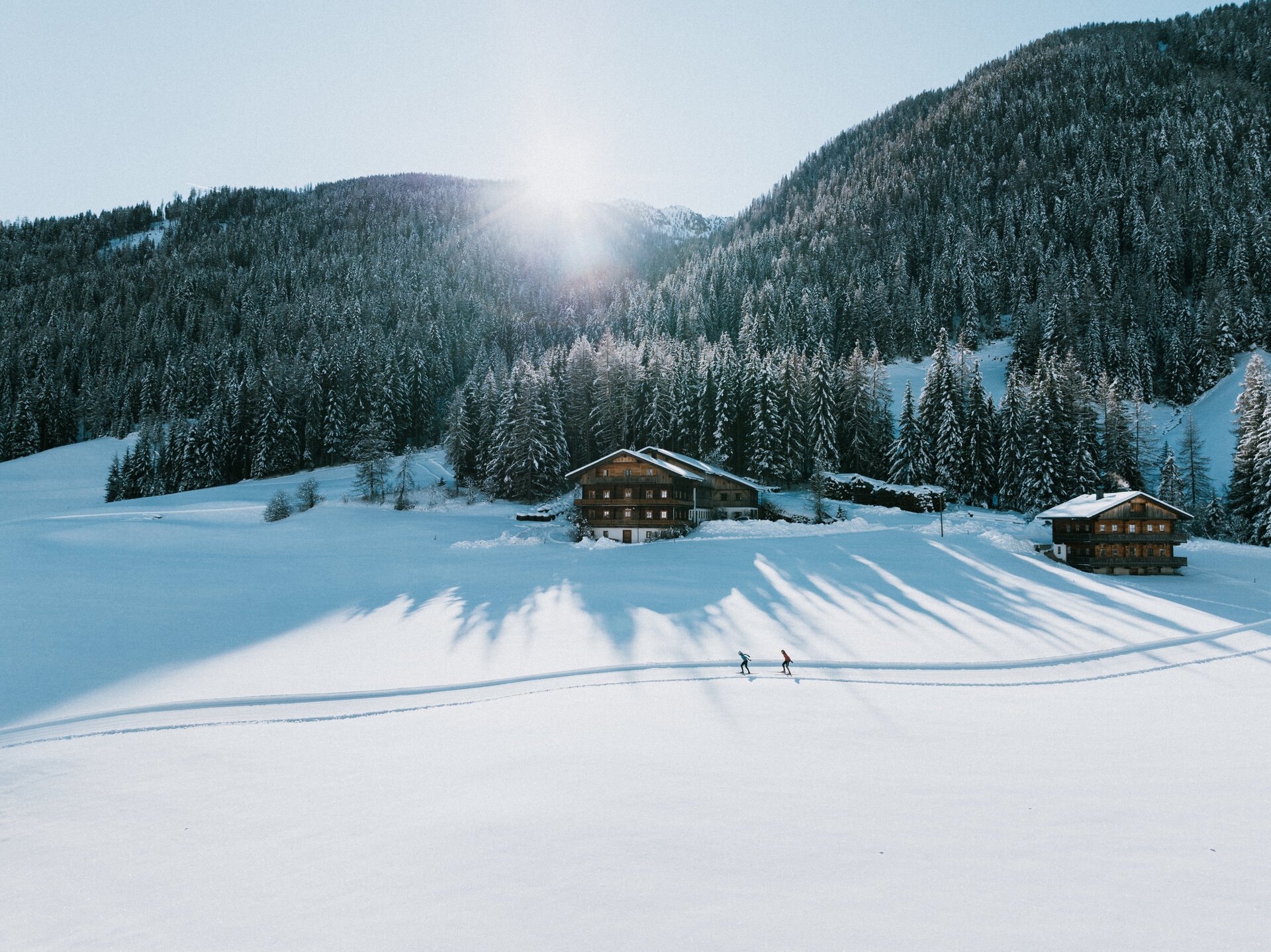
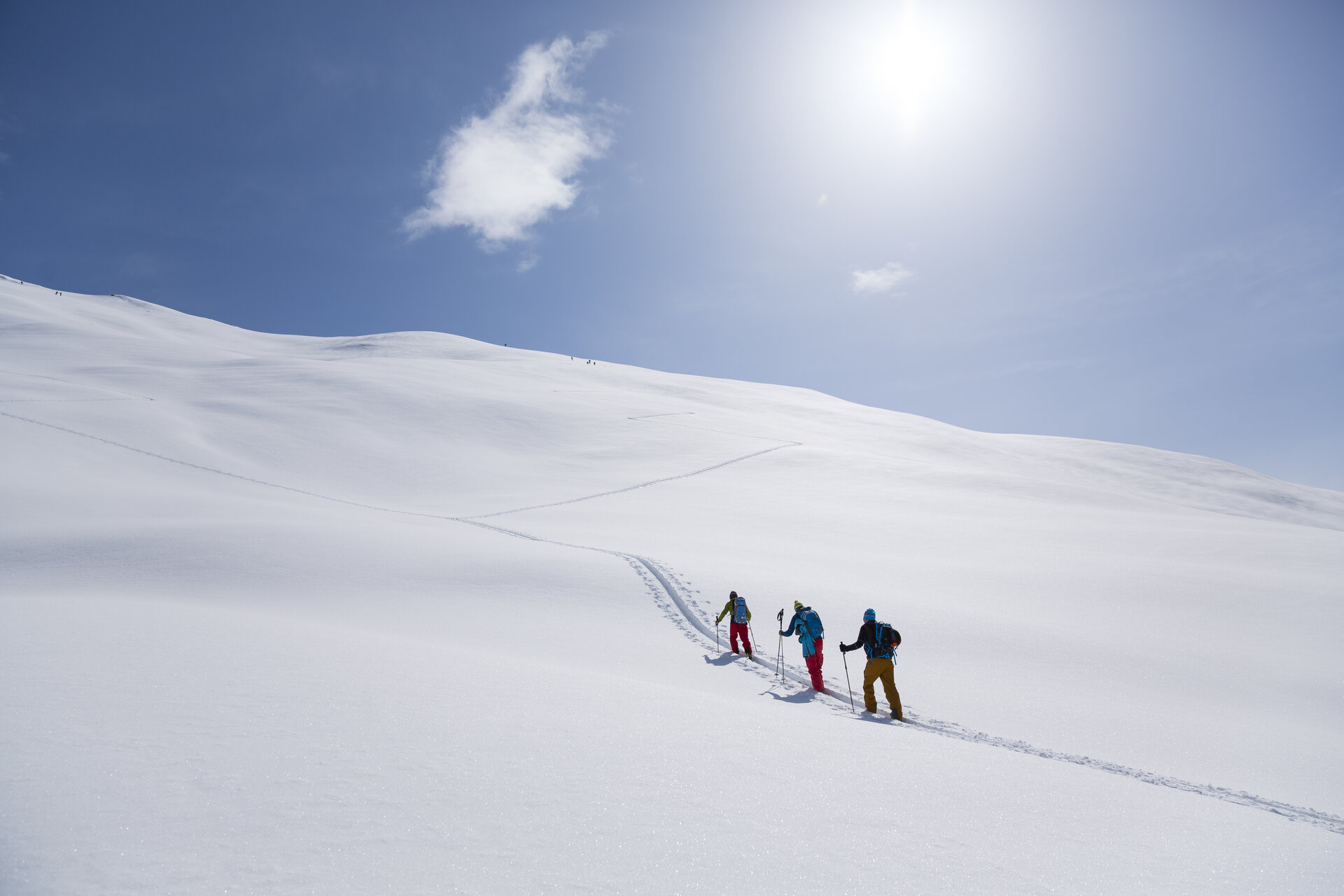
If you want to slow down a bit in Osttirol, you don’t have to sit still. On the contrary: the region’s winter activities offer a variety of ways to be outdoors without having to plan a specific itinerary. About 400 kilometers of cross-country ski trails wind through the region’s valleys and highlands. Whether you’re cross-country skiing the classic style or skating, you’ll have an unobstructed view of the landscape. Backcountry skiers will find a variety of routes to the summit among 266 peaks over 3,000 meters and more than 165 trails, though weather and terrain often determine how far you can go. In Kartitsch and Prägraten, winter hikes invite you to see the journey not as an activity on a schedule, but as time spent outdoors. And even on the slopes of Osttirol’s ski resorts, it’s not about racking up as many runs as possible—space for your own turns, a break in the sun, or the view of the mountains are just as much a part of a winter day.

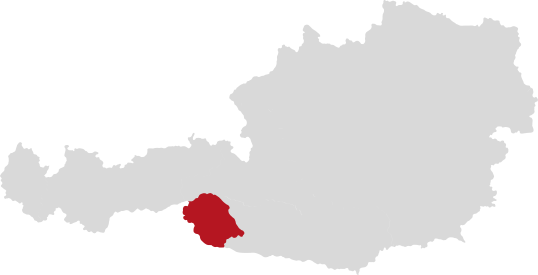
About Osttirol. “Osttirol is naturally different. Naturally, in the sense of nature”—that is the motto of this vacation region south of the main Alpine ridge. Nestled between the Nationalpark Hohe Tauern, the Lienzer Dolomiten, and the Carnic Alps, the region is characterized by alpine scenery, living traditions, and a way of life closely connected to nature. With a total of 265 three-thousand-meter peaks and the Großglockner, Austria’s highest peak, Osttirol rightly calls itself “the Mountain Tyrol.” Nature lovers will find diverse landscapes and plenty of space for personalized nature experiences there. Active travelers appreciate the ideal conditions for outdoor sports, and Osttirol has long enjoyed cult status among mountaineers and climbers. Gourmet travelers appreciate this southern part of Austria for its culinary diversity, featuring down-to-earth cuisine of the highest caliber: from rustic snack bars to sophisticated, award-winning restaurants. In addition, rural traditions play an important role: centuries-old rituals, regional crafts, and a culture of customs that has developed gradually shape the lives of the people in Osttirol—then as now.

Newsletter

Subscribe to our newsletter and receive the best tips every month for current offers, mountain tours, events and much more.

en