Amid glowing peaks and golden larch trees

In the fall, the hiking, biking, and leisure season in Osttirol extends into the later months. As the air cools and the view into the distance becomes especially clear, the realm of the 266 three-thousand-meter peaks reveals its most serene side. Outdoor enthusiasts can look forward to stable weather conditions and scenic tours on foot or by bike—the trails wind through vibrantly colored larch forests to mountain huts serving meals. Open in many places until mid- or late October, the hosts serve up homemade Schlipfkrapfen and high-proof Pregler schnapps. For culture enthusiasts, this Austrian Alpine region also offers a wide variety of activities, ranging from traditional cattle drives to exhibitions and historical guided tours. www.osttirol.com

Fall is mountain season

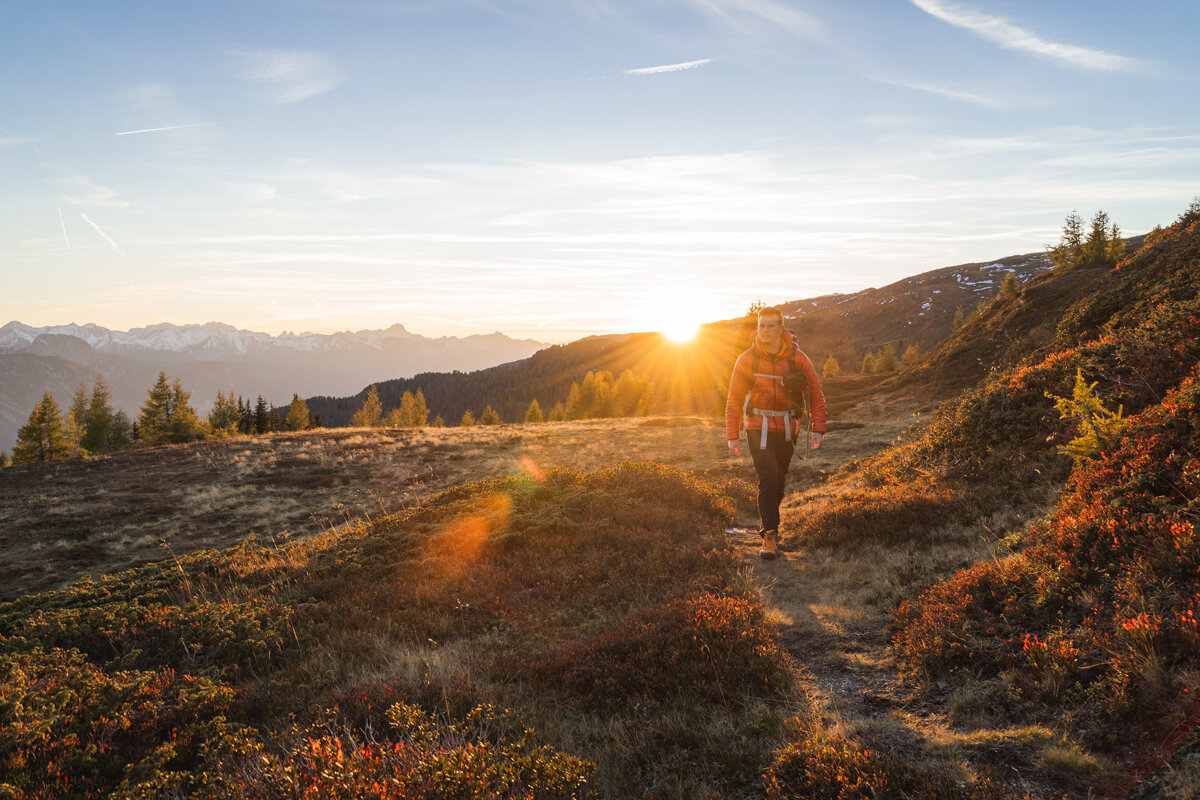
Frau mit Wanderausrüstung geht auf einem schmalen Pfad durch eine alpine Landschaft. Die tiefstehende Sonne beleuchtet herbstlich gefärbte Sträucher, Wälder und Berge im Hintergrund.
Indian Summer in Osttirol: Im Herbst lernen Wanderer die majestätische Bergwelt der österreichischen Ferienregion von ihrer farbenprächtigsten und friedlichsten Seite kennen.

From long-distance hiking trails to cultural and themed trails to nature trails: The possibilities for fall hikes between the Großglockner, the Venediger Group, and the Lienzer Dolomiten are endless. Most of the more than 200 staffed huts and alpine pastures are still open and invite both visitors and locals to stop in for a cozy break featuring regional delicacies. Ranger-led tours in the Nationalpark Hohe Tauern, guided by experts, offer fascinating insights into the alpine flora and fauna as well as the geological features surrounding the 3,798-meter-high Großglockner, Austria’s highest peak. Those who prefer a bathrobe to hiking boots will also find numerous hotels in Osttirol offering wellness amenities—relaxation is guaranteed thanks to fragrant Swiss stone pine saunas, treatments with local herbs, and panoramic relaxation rooms with views of the peaks of the 266 three-thousand-meter mountains.


Osttirol Culture and Culinary Fall: From the Almabtrieb to a Journey Through Time

Fall in Osttirol is not only a spectacular natural spectacle, but also a great opportunity to immerse yourself in the region’s rich culture and vibrant traditions. Among the Alpine customs, for example, is the annual sheep drive down from the alpine pastures in September and October. In this mountainous region, raising these “living lawnmowers” has been a tradition for centuries.


More than 22,000 sheep spend the summer at altitudes of up to 3,000 meters before being led back down to the valley to the sound of loud bells. On church holidays and harvest festivals, local restaurants serve mountain lamb specialties such as the classic roast lamb with “Oskar,” the aromatic Osttirol potato.


Away from the hiking trails, exciting journeys through time await culture enthusiasts: Visitors can follow in the footsteps of the Romans when they visit the Aguntum archaeological site in the municipality of Dölsach, four kilometers east of Lienz. In the Middle Ages, Osttirol was strategically important and characterized by castles and fortresses. Bruck Castle in Lienz and Heinfels Castle in the Pustertal are two outstanding examples of this era. The former castle of the Counts of Gorizia towers majestically over the district capital and houses the municipal museum with impressive collections by local artists. The “Queen of the Pustertal” has been extensively restored and can be explored on guided tours. The Villgratental Valley is one of the most unspoiled natural and cultural landscapes in the Alpine region.


On the Innervillgraten artisans’ tour, visitors can see

how local raw materials—such as sheep’s wool, Swiss stone pine, and willow—were processed using traditional methods.
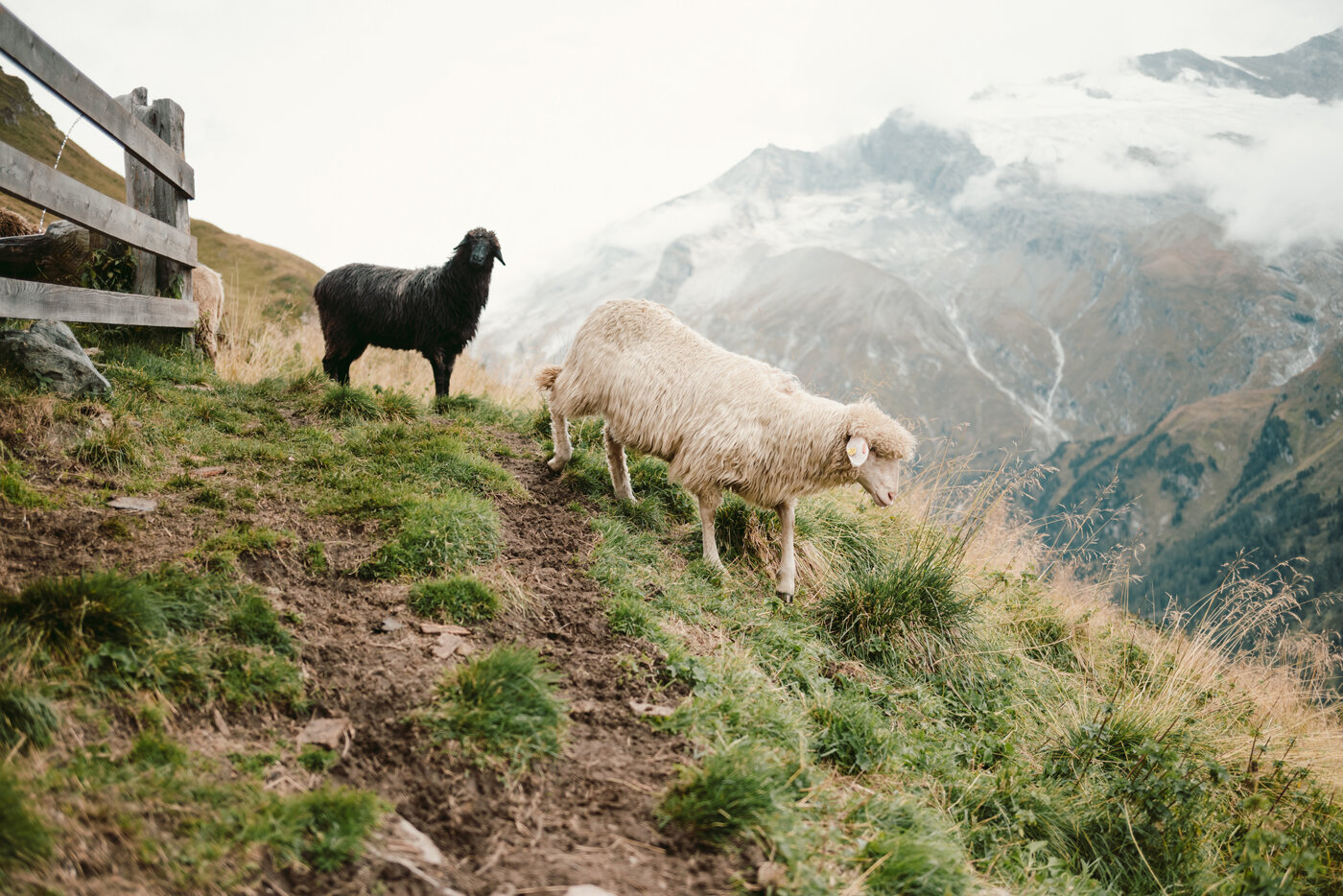
Ein weißes und ein schwarzes Schaf stehen auf einer steilen, grasbewachsenen Bergwiese. Im Hintergrund sind nebelverhangene, schroffe Alpenhänge mit Gletscherspuren zu sehen.
Während in anderen Teilen Tirols Kühe beim traditionellen Almabtrieb ins Tal geführt werden, kehren in Osttirol ganze Heerscharen von Schafen aus ihrem Sommerdomizil im Hochgebirge in die Dörfer zurück. Mit 22.000 Tieren ist die Alpenregion die schafreichste Region Österreichs
Newsletter

Subscribe to our newsletter and receive the best tips every month for current offers, mountain tours, events and much more.