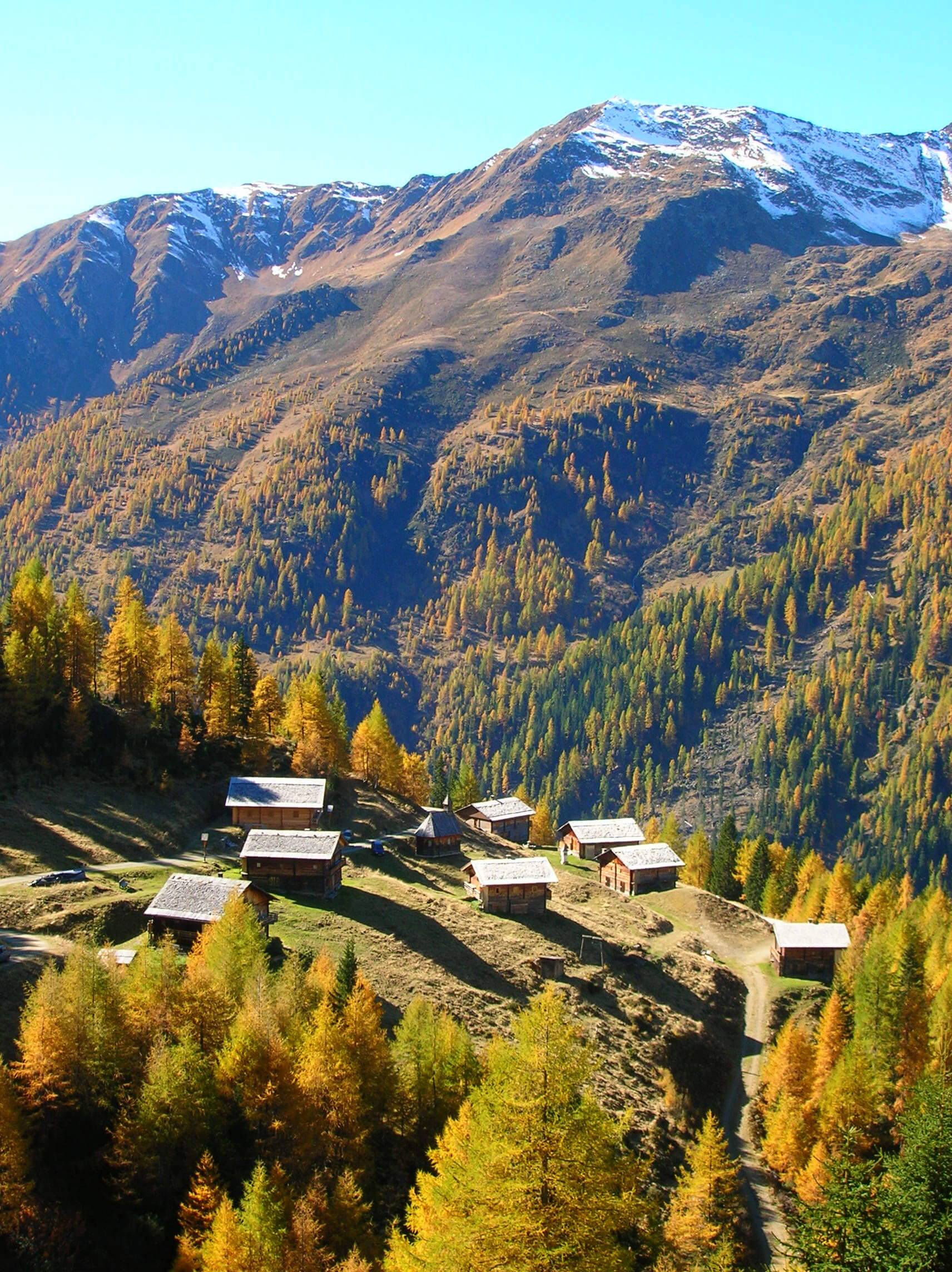
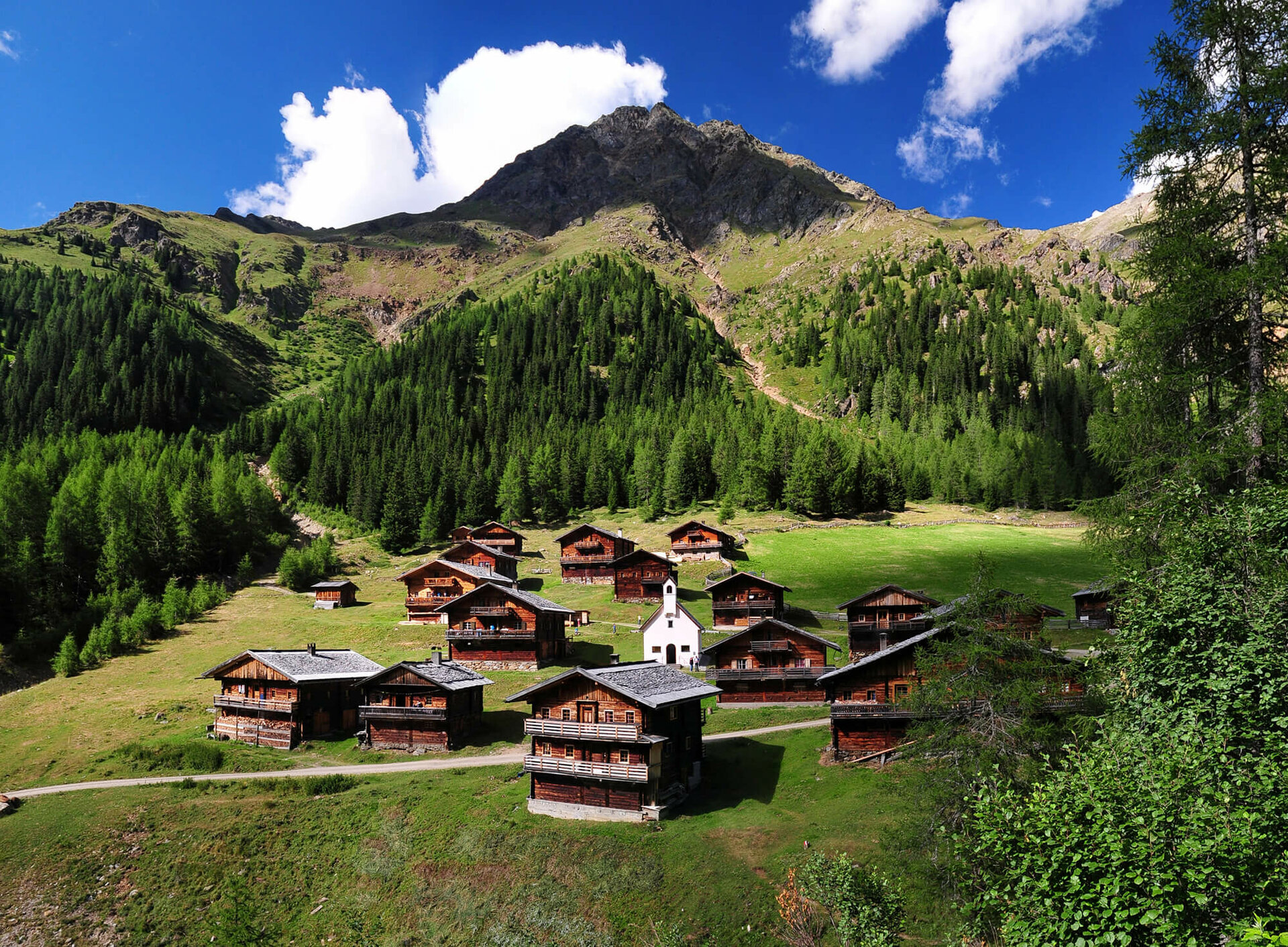
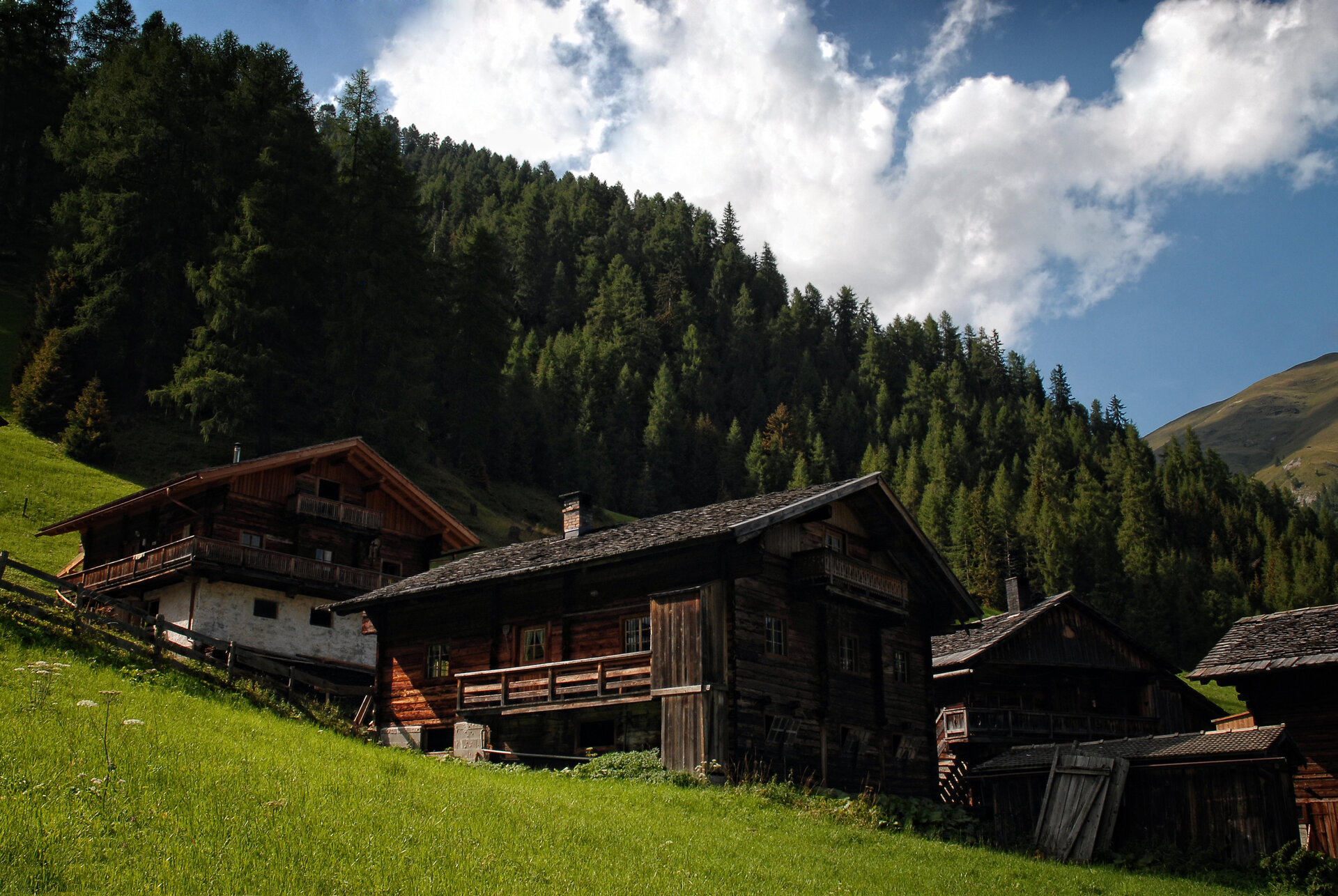
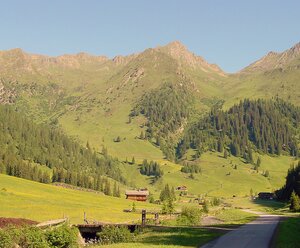
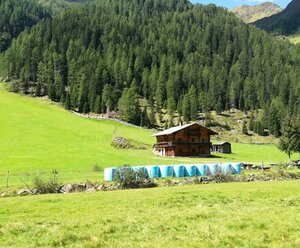
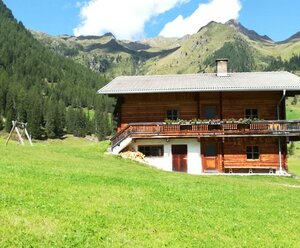
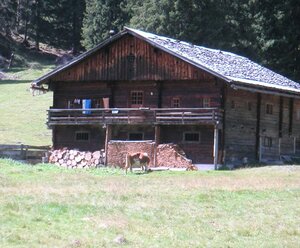
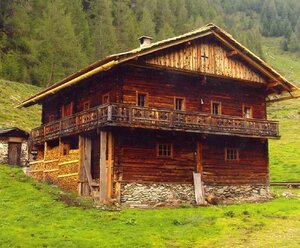
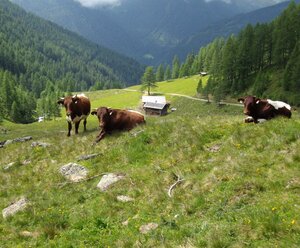
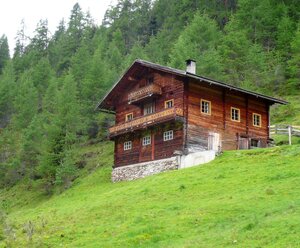
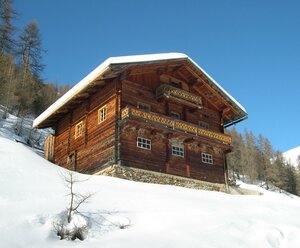
Their origins date back to the 15th century. At that time, the original farms of the early settlers, which had previously been run as "communes", began to be divided, in some cases up to 1/96. New land was cleared for cultivation for the growing population. The additional hay for the winter feeding of the animals was obtained from the steep mountain meadows, which reached up to 2,500 meters. However, bringing in the hay was extremely laborious and dangerous. So the farmers decided to move up to the mountain pastures in summer with their families and children to graze their cattle and stay there all summer. This is why the alpine huts, called 'Kasern' or 'Kammern' in Villgrater dialect, resemble small farmhouses with two floors: the living quarters were upstairs and the stables were downstairs. This meant that village life moved to the mountain pastures for several months. When the "Gruimat", the second mowing, was due in the valley in late summer, the family moved back to their home farm. For more than five hundred years, this cycle existed in the lives of the Villgrater people, until the middle of the 20th century.
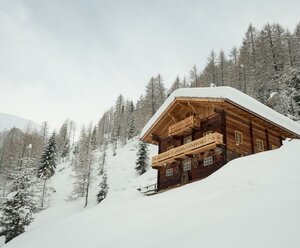
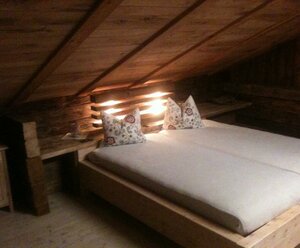
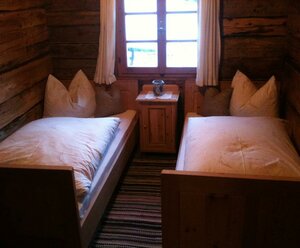
In the 1960s, when the road network was expanded and even the remote farms were made accessible, the Villgrater mountain pastures lost their original function with the onset of motorization. The mountain pastures could now be reached in a short time. However, they were in danger of falling into disrepair. Until the idea was born to offer the impressive ensembles of huts to nature-loving guests as simple accommodation. Today, the huts of the Villgrater Almdörfer are sought-after vacation homes and are usually fully booked months before the season.