Traditional recipes from Osttirol all have one thing in common: every farmer had the products and ingredients for the recipe right on his own farm. In the postwar period, for example, every farm grew its own grain; every barn had at least one cow for milk and hens for eggs. The potatoes, of course, came from the farm’s own fields, and it goes without saying that butter, cheese, bread, and many other products were made by each farmer themselves. For Schlipfkrapfen, dumplings, and Tiroler Gröstl, all the ingredients were therefore available in the pantry or cellar, and the farmer’s wife could prepare them at any time. Besides, it would have been nearly impossible to afford to buy additional ingredients.
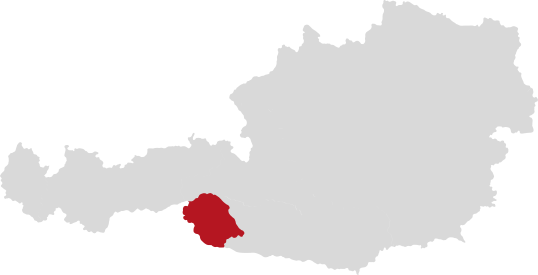
It’s therefore understandable that Osttirol cuisine is inextricablylinked to the beautiful and unspoiled— yet also rugged and rocky —landscape! But of course, it’s also linked to the people who have lived in the region between the Großglockner, the Dolomites, and the Carnic Alps for decades and who cherish the region’s values!